Are Sylvester Palms salt-tolerant?
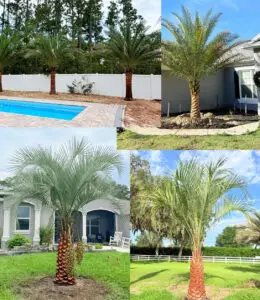
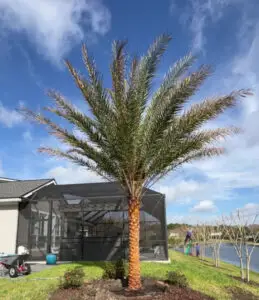
Sylvester palms have moderate salt-spray tolerance. They can be a beautiful choice for coastal Florida yards with some protection from direct ocean spray, but they are less suited to an exposed beachfront planting. Think of a Sylvester as a palm for a sheltered coastal landscape rather than the first line along the shore.
Where do Sylvester palms work best on a coastal property?
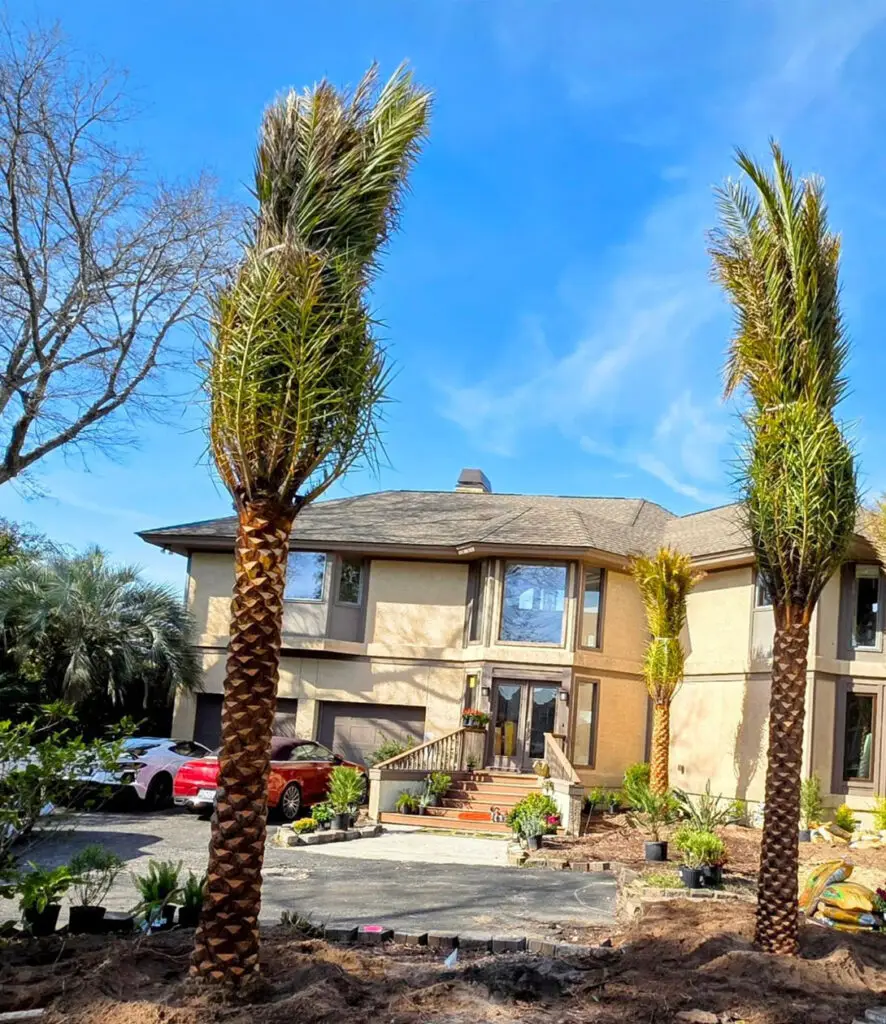
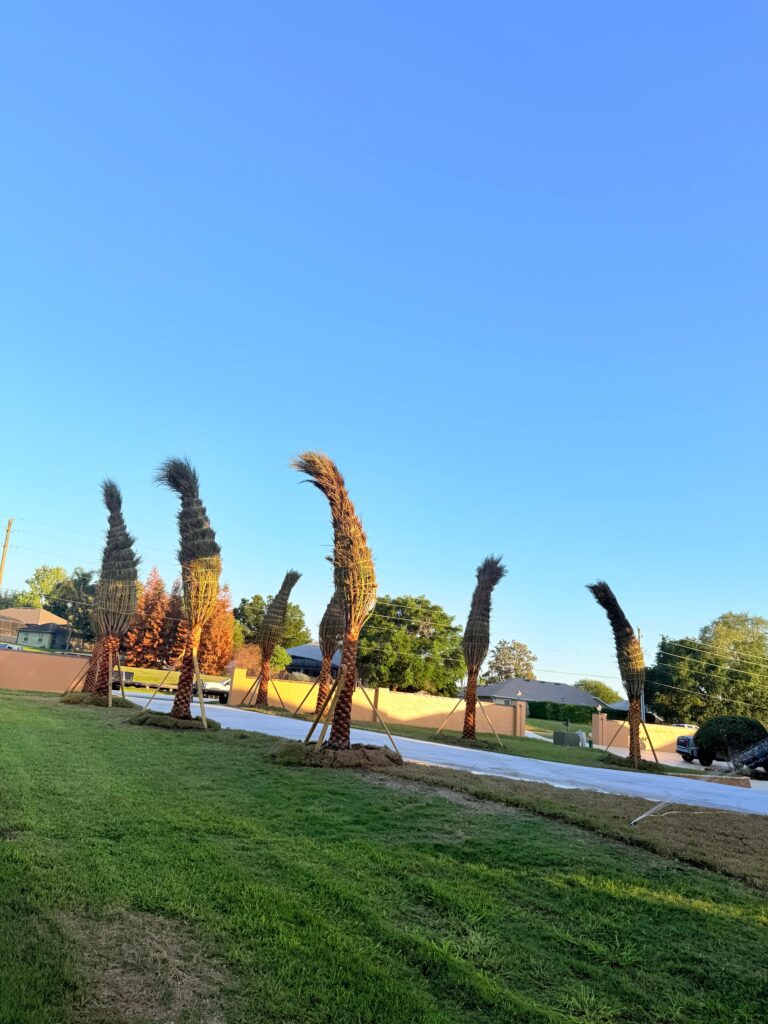
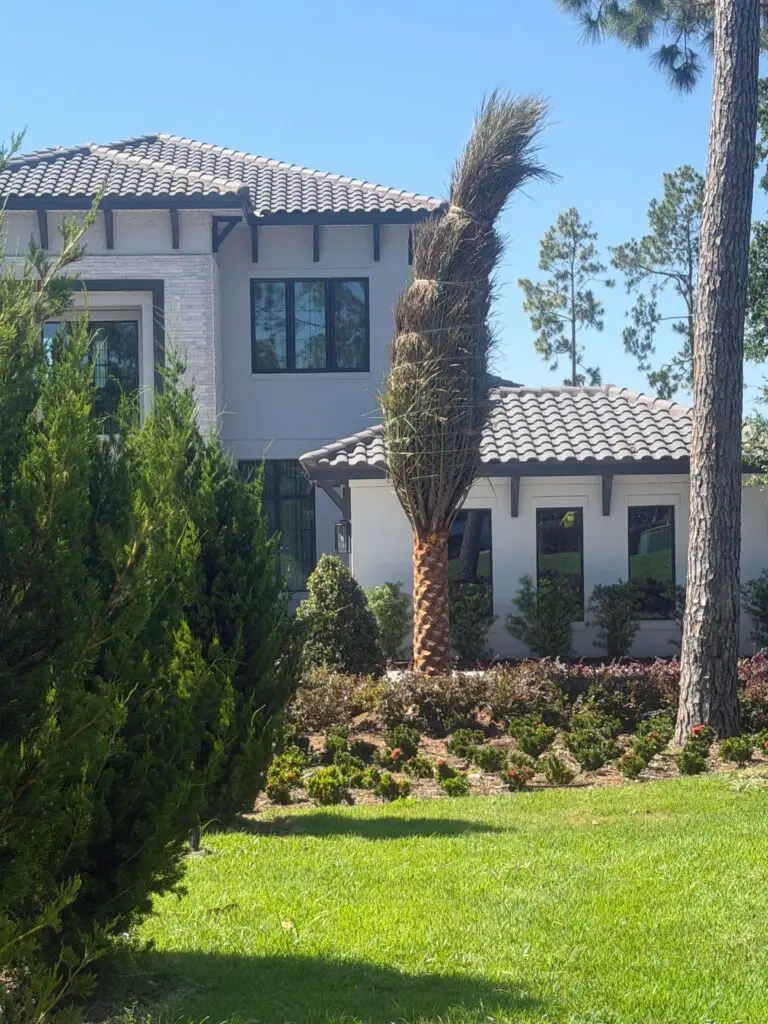
Look for a sunny, well-drained spot where the home, other buildings, or established landscaping reduce direct salt spray. Possible locations include:
• Intracoastal and bayfront yards with less exposure to open-ocean winds
• Beach neighborhoods set back from the shoreline
• Entrances, courtyards, and driveways sheltered by buildings or other plantings
Exposure can vary considerably across a single property. A protected entrance may be a good location for a Sylvester even when another part of the yard calls for a more salt-tolerant palm.
Matching the palm to the site
Palm Salt-spray tolerance Best coastal placement
Sabal palmetto Fairly tolerant More exposed coastal areas, including sites behind the first dune
Sylvester palm Moderate Sheltered coastal and near-coastal yards
Pindo palm Poor Inland locations protected from salt spray
If you are choosing between a Sylvester and a Pindo for a coastal yard, the Pindo’s greater cold tolerance does not make it the better choice for salt exposure. Match each palm to the conditions where it will be planted.
How to care for a Sylvester Palm near the coast
- Choose a well-drained site to plant your palm and avoid low spots where salt water can collect.
- Water with fresh water during establishment period (around 3 months) with ample water to help the newly planted palm establish its roots.
- Use the shelter you have such as a building or established planting nearby can help reduce the amount of direct spray reaching the roots.
- Maintain its nutrition, use a fertilizer formulated for landscape palms as part of an appropriate care plan.
When should you choose a Sabal Palmetto instead of a Sylvester palm?
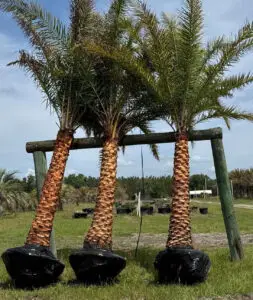
If the planting site receives frequent, direct ocean spray, consider a Sabal palmetto. This Florida native tolerates salt spray better than a Sylvester and occurs naturally in coastal settings behind the first dune. On a large property, you might use Sabals in the more exposed areas and place Sylvesters in sheltered spots where their distinctive crowns can frame an entrance or driveway.
Buying Sylvesters for coastal Florida
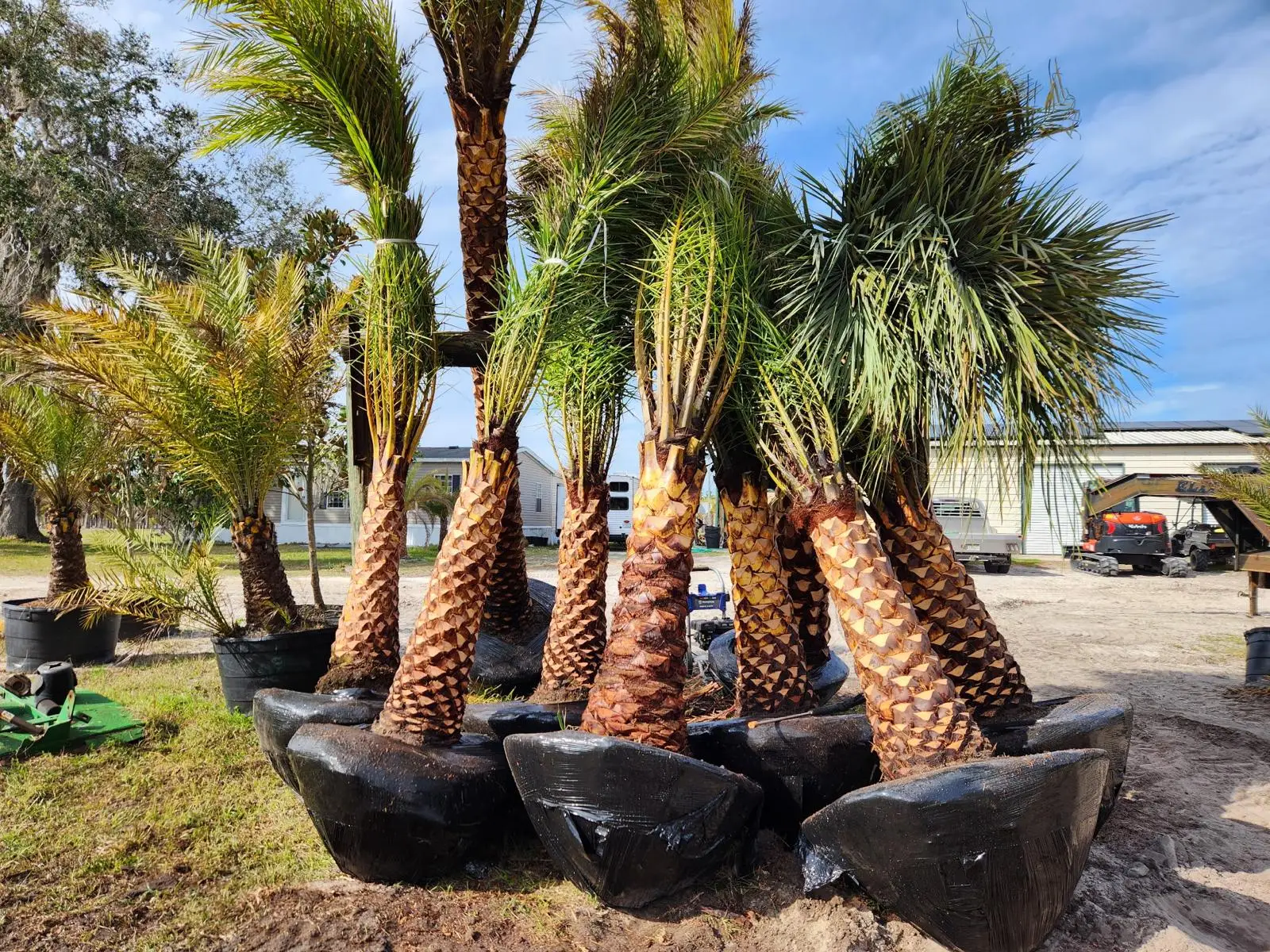
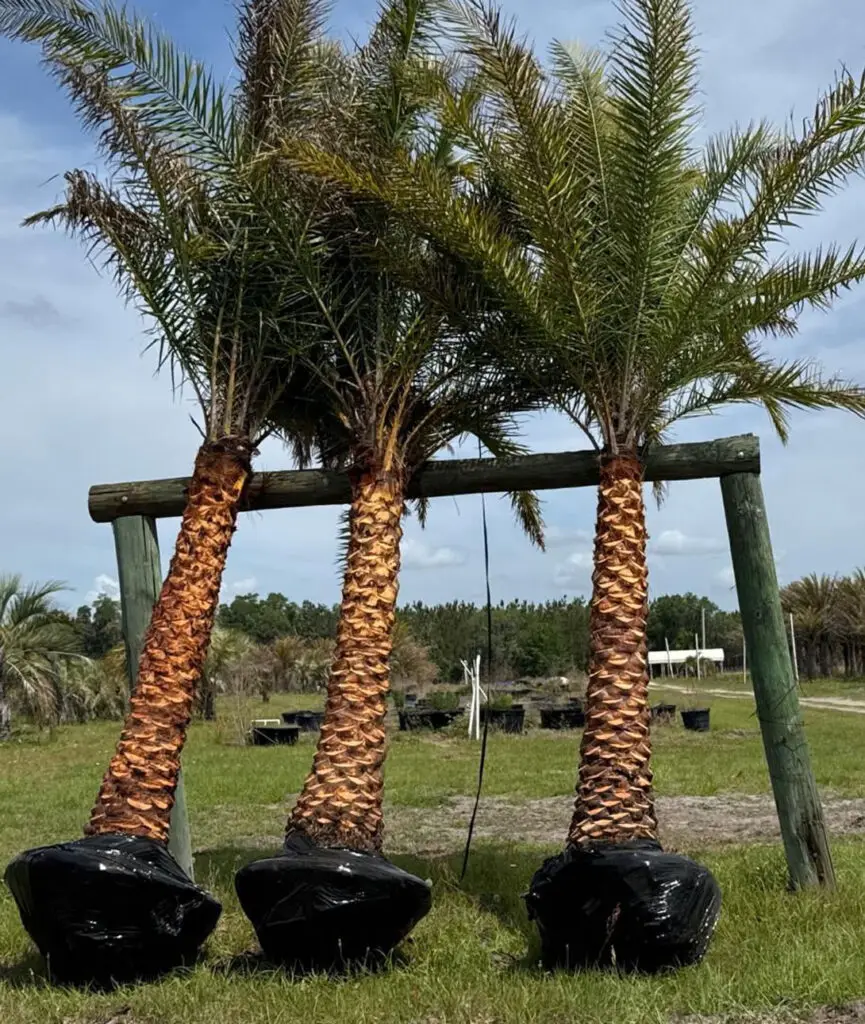
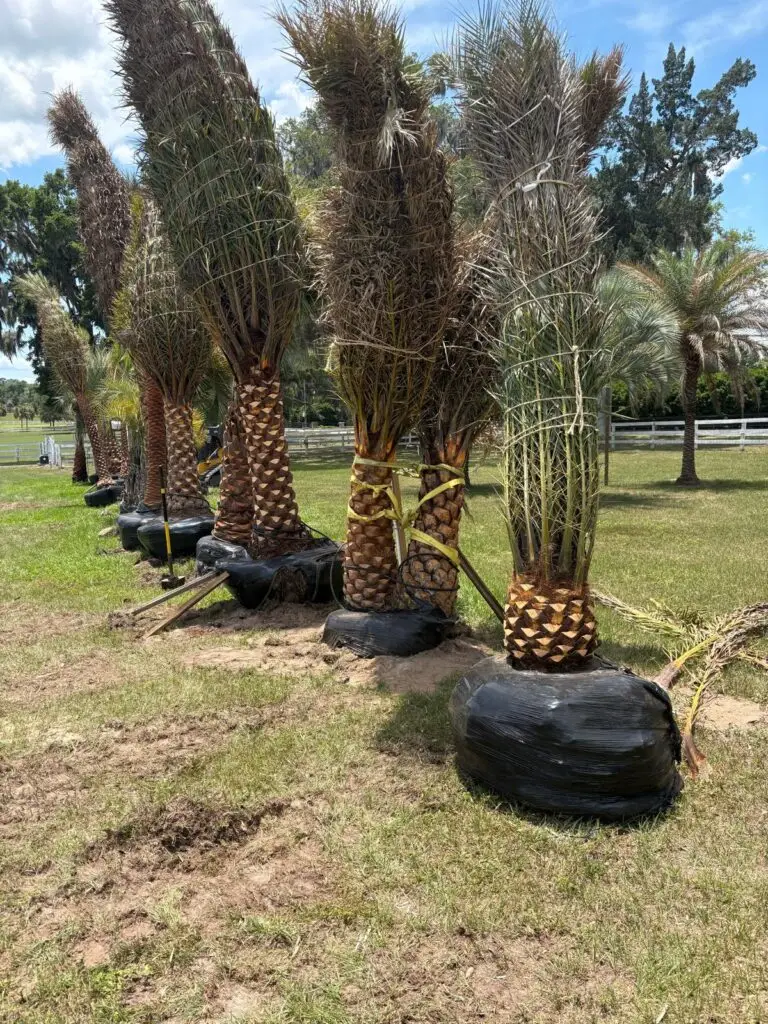
Iguana Palms grows Sylvester palms on its family farm in North Florida. With grower-direct pricing, a range of sizes, and delivery and installation available, our team can help you choose the right palm for your property’s exposure and find the right place to plant it.
Frequently Asked Questions
Are Sylvester palms salt-tolerant?
Yes. They have moderate salt-spray tolerance and are best placed where they have some protection from direct ocean spray.
Can I plant a Sylvester palm near the beach?
Yes, if the specific planting spot is sheltered from frequent, direct salt spray. Distance from the water alone does not tell the whole story.
Which palm is better for an exposed coastal site?
A Sabal palmetto is generally a better choice for a site that receives regular salt spray.
Is a Pindo palm a good coastal alternative?
A Pindo is more cold-hardy, but it is sensitive to salt spray. Save it for a protected inland location.
Where can I buy a Sylvester palm for a coastal property?
Iguana Palms sells grower-direct Sylvester palms with delivery and installation available. Contact our team to discuss your site and current sizes.