Sabal Palmetto

Cabbage Palm

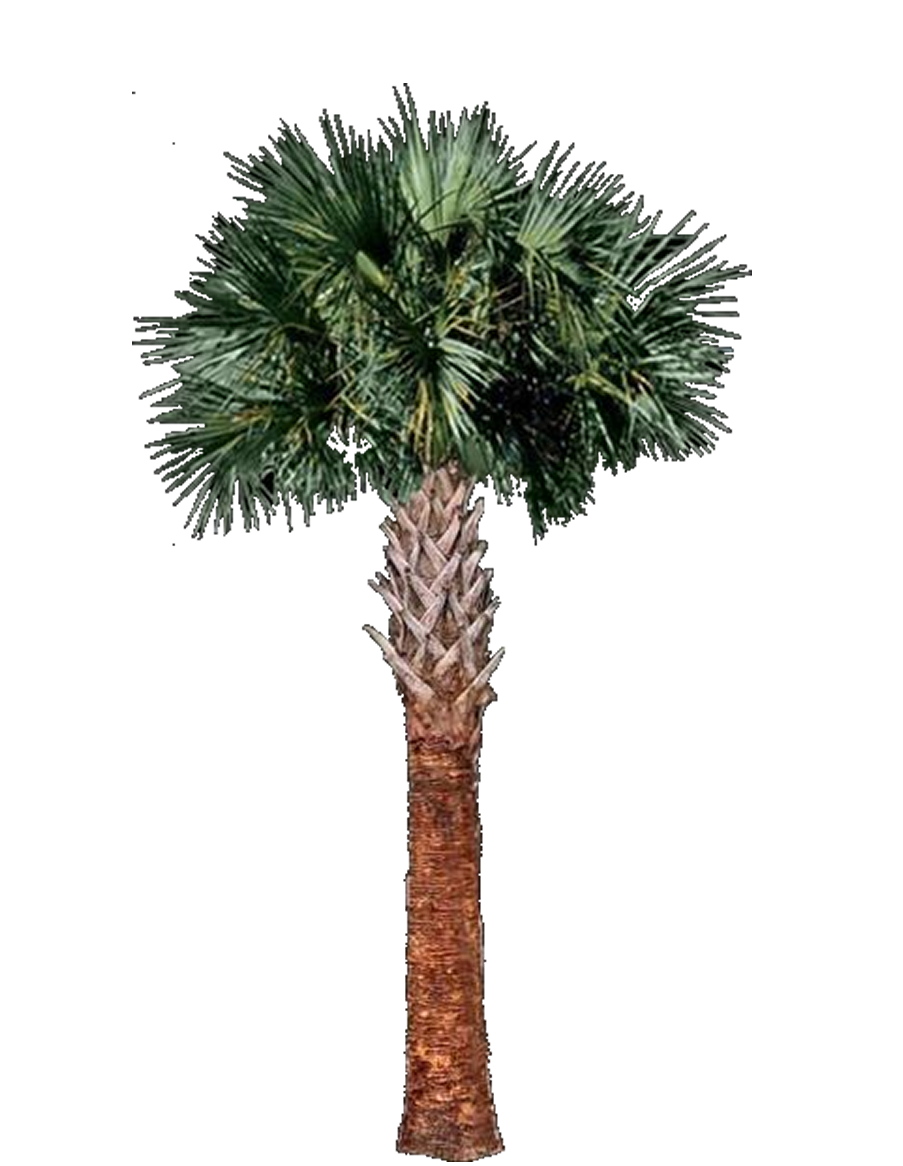
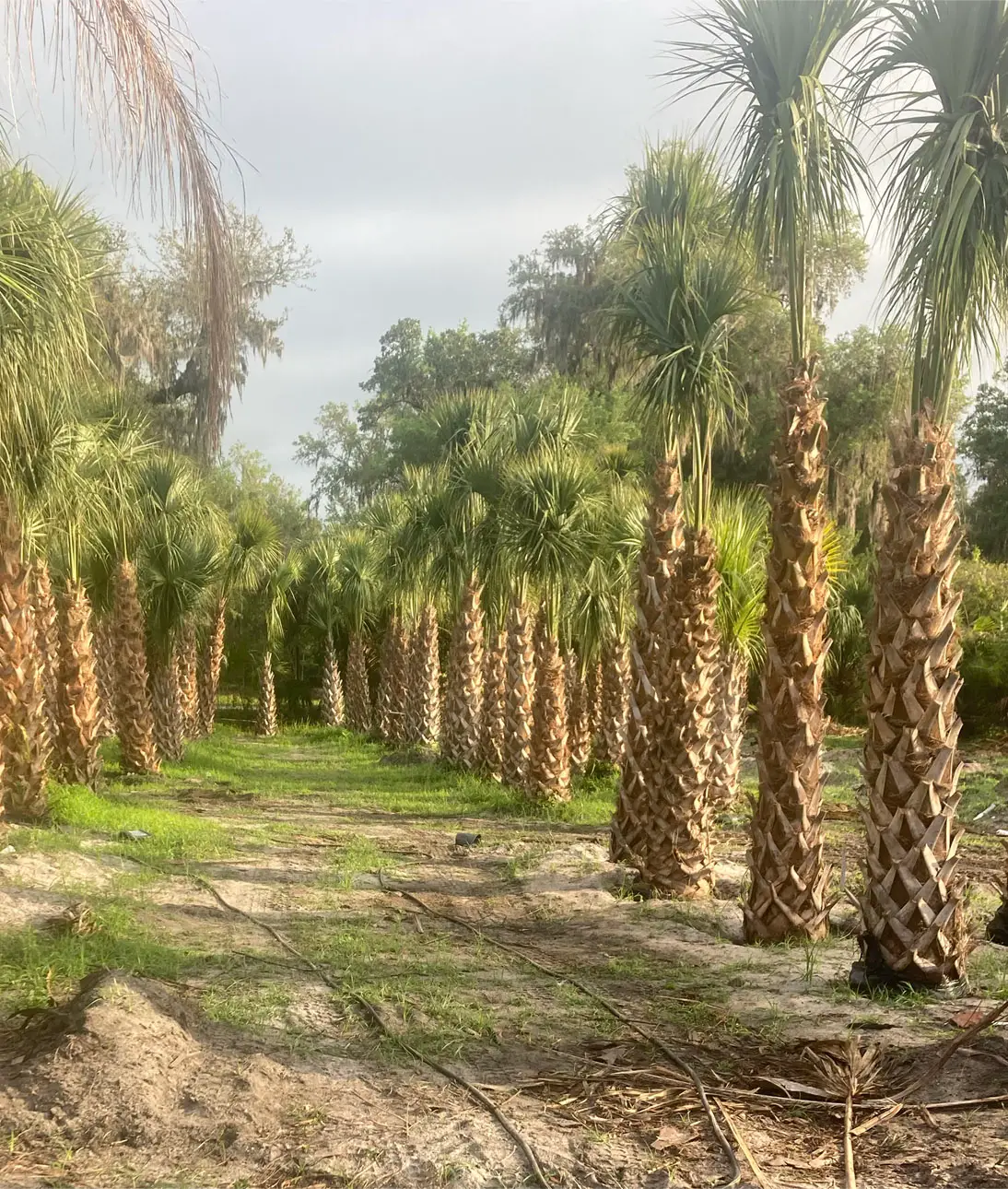
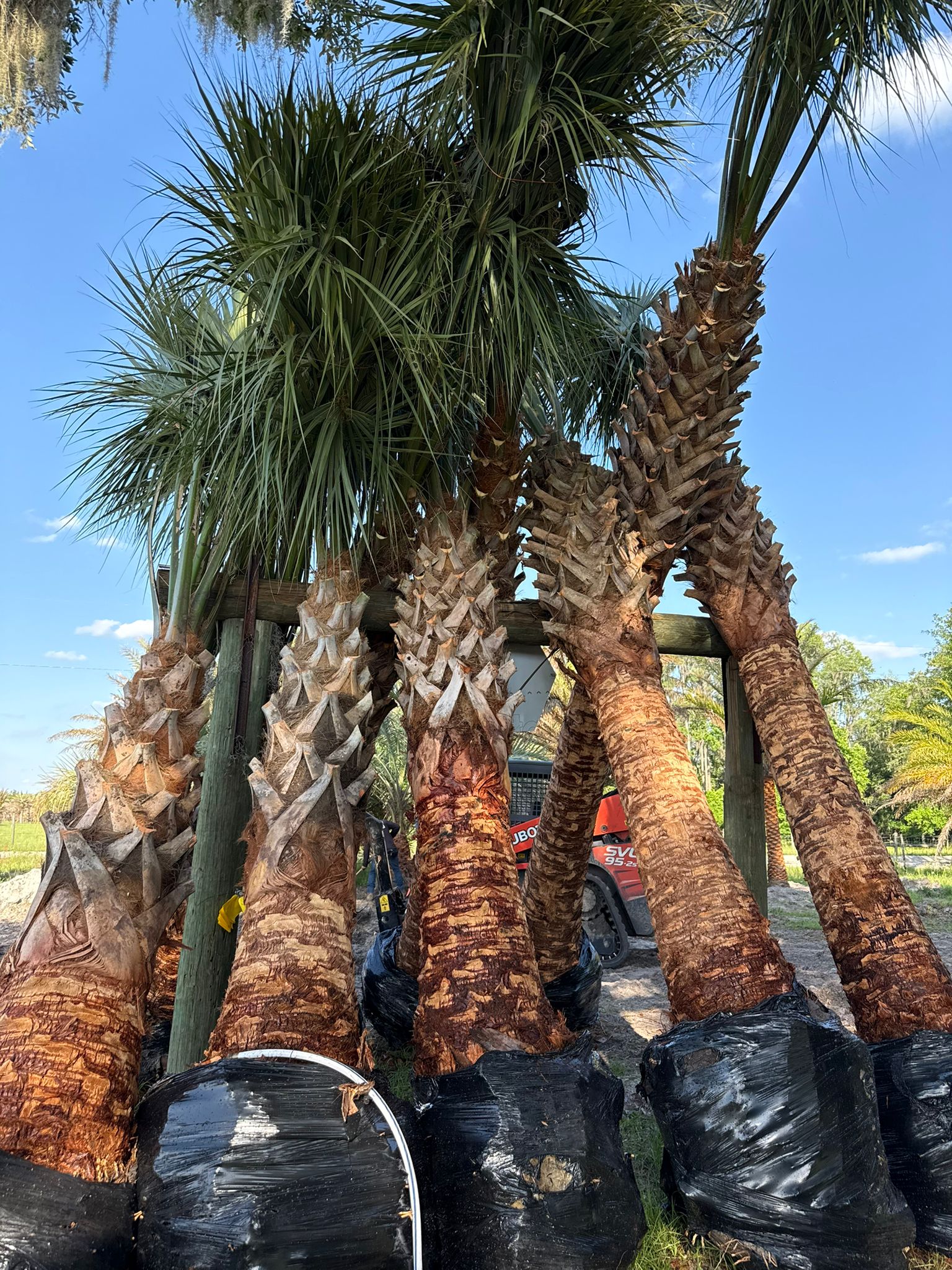
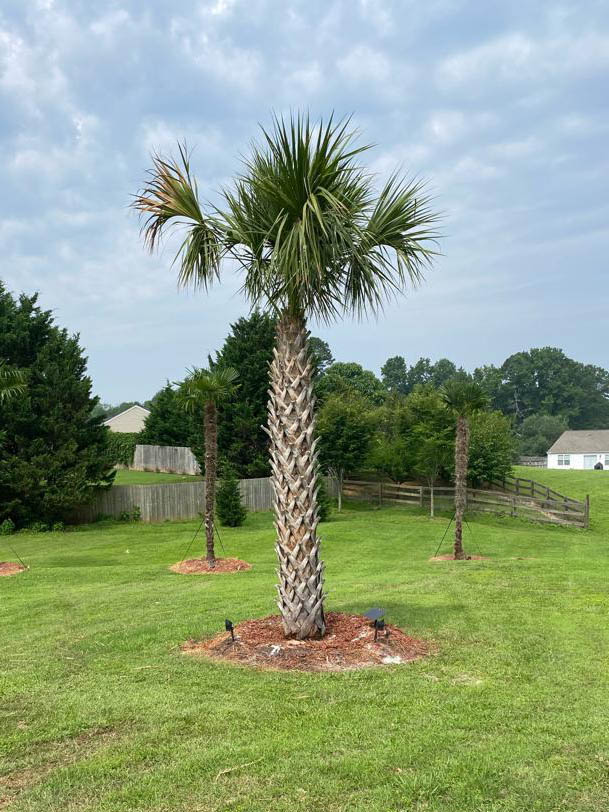
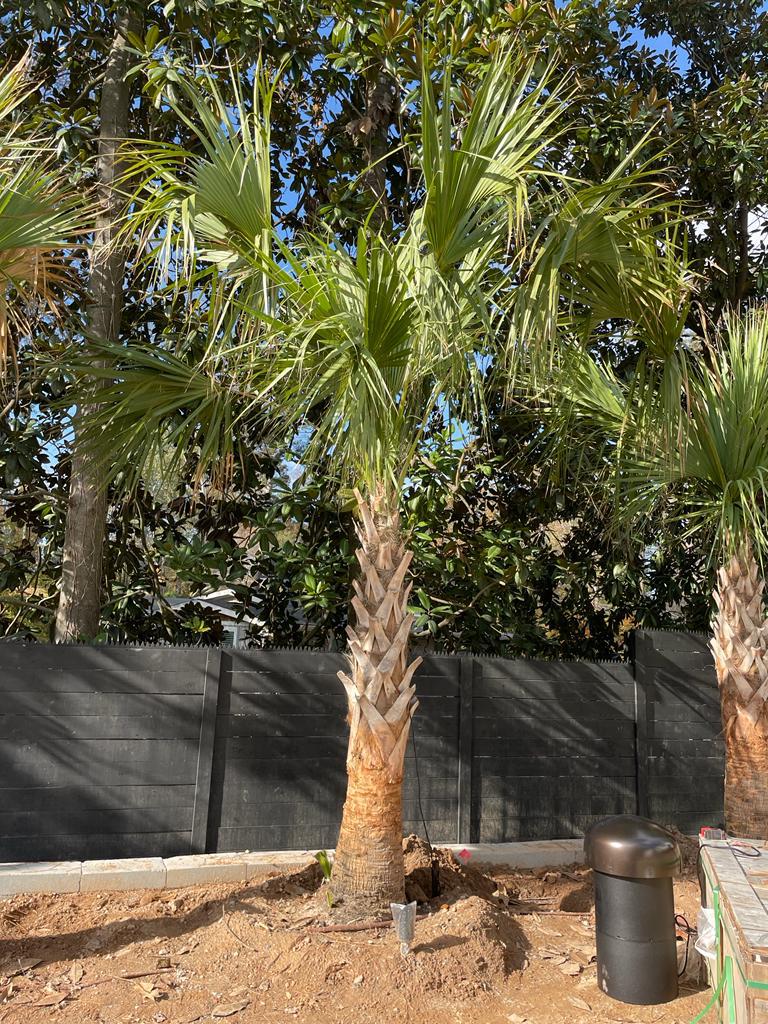
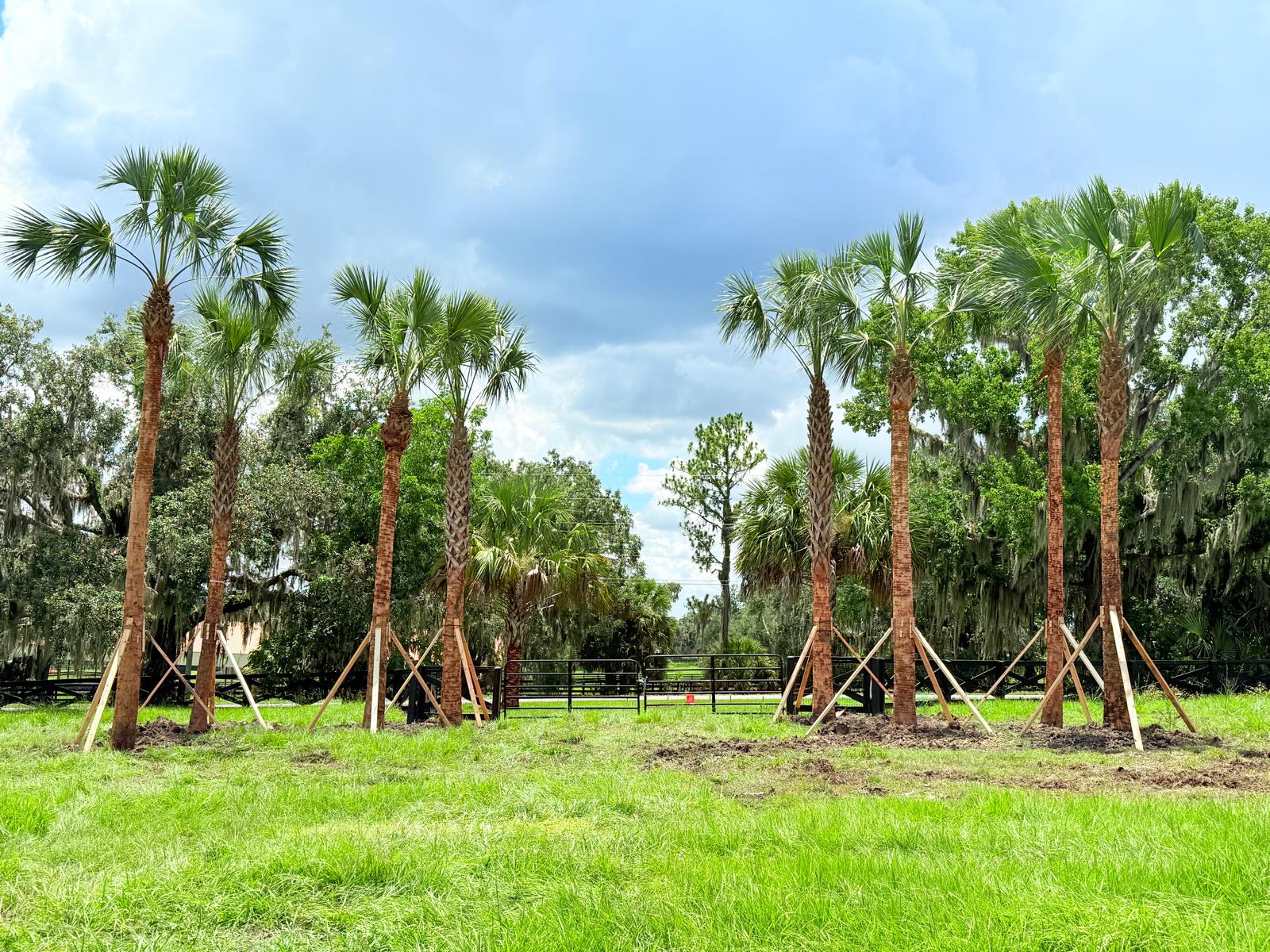
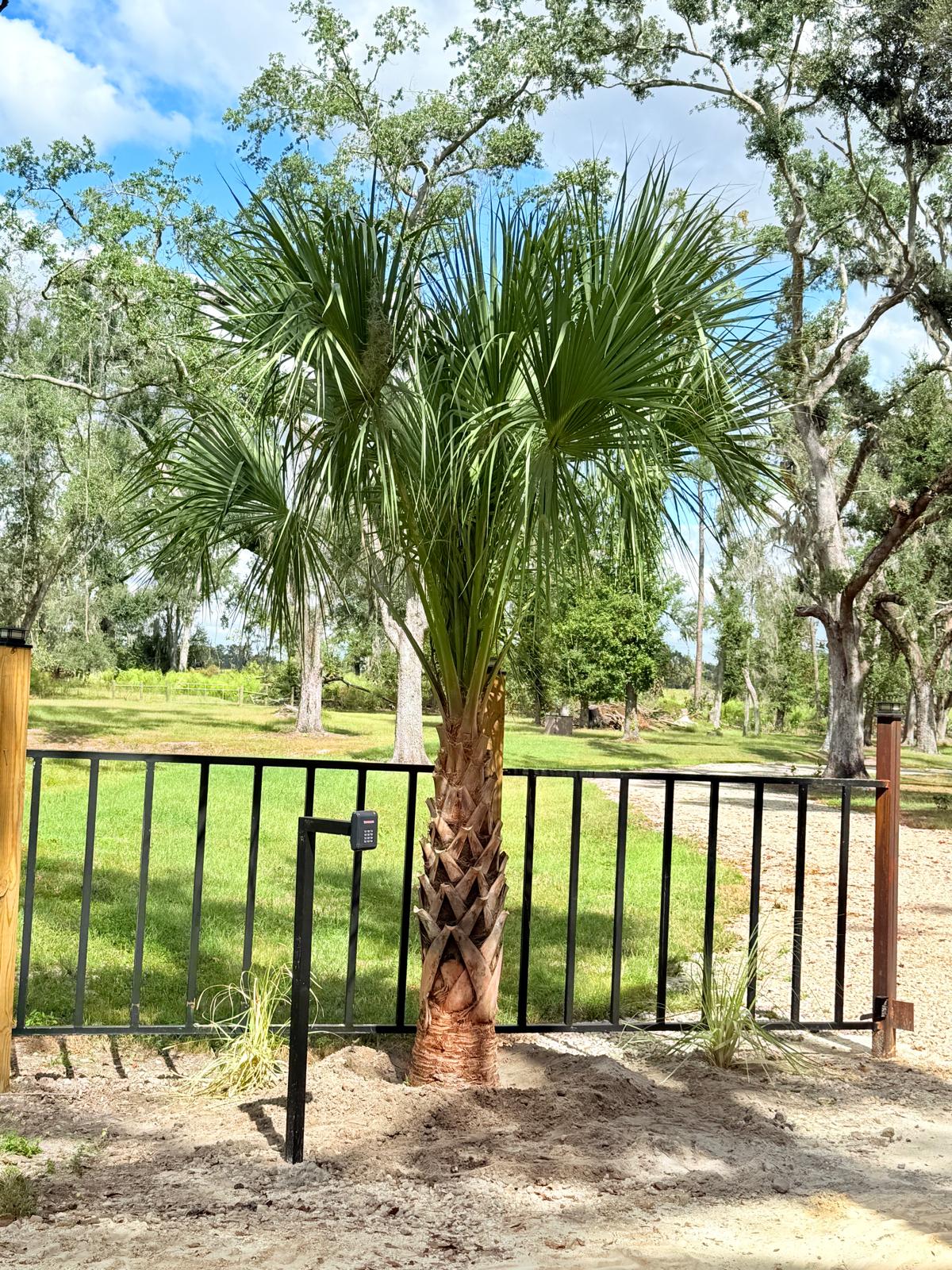
The Sabal Palmetto, also known as the Cabbage Palm, is a classic symbol of the southeastern U.S. and the official state tree of both Florida and South Carolina. This palm features a sturdy trunk topped with a rounded canopy of fan-shaped fronds that radiate outward in a bold and balanced display. Its trunk, often covered in bootstraps (old leaf bases), adds a rustic charm and tropical beach vibe to any landscape.

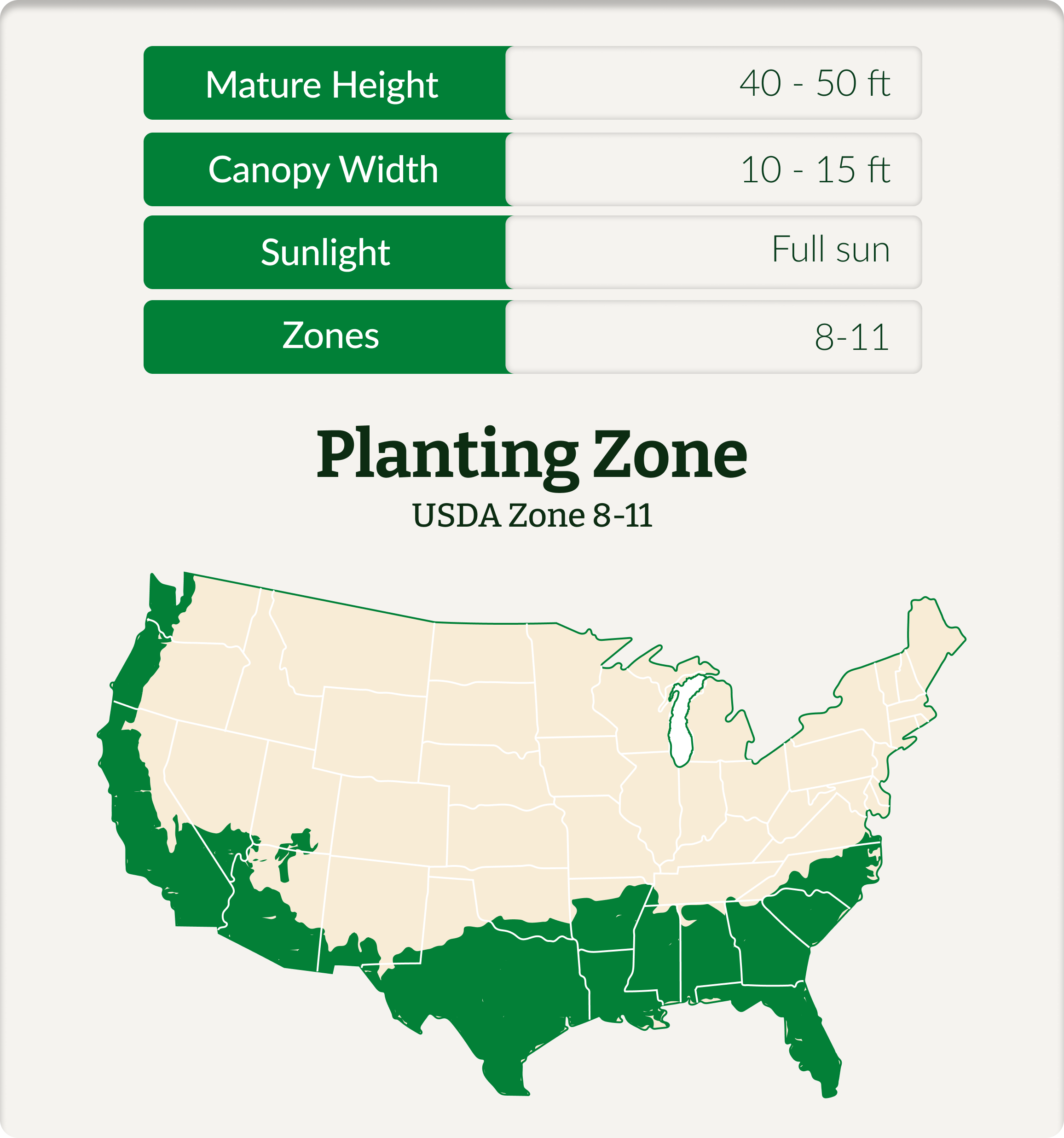
Thriving in USDA zones 8-11, the Sabal Palmetto can grow up to 40-50 feet tall with a canopy spread of 12-18 feet. It’s incredibly tough and low maintenance, known for being drought tolerant, and highly wind resistant-making it a reliable choice in coastal and hurricane-prone regions.

Whether placed near pools, anchoring a coastal garden, or enhancing a landscape with its tropical feel, the Sabal Palmetto offers a timeless, natural beauty.

Reference Table

Sunlight
Full sun to partial shade

Watering 

25 gallons or more per watering session

Month 1: Daily
Month 2: Three times x week
Month 3: Weekly
After the roots are established, this plant is drought tolerant.

Soil
Tolerates most soils, as long as it is well draining. Preferably organic soil free of additives.

Fertilization
Use a Palm specific fertilizer three times a year at the beginning of Fall, Spring and Summer. Do not fertilize for the first three months to avoid burning the roots.

Pruning
Only prune a Sabal Palmetto when fronds are completely brown. Partially green fronds are still giving valuable nutrients to the palm tree.

Are Sabal Palmettos cold-hardy?
Sabal Palmettos are considered cold hardy. They can tolerate sustained temperatures down to 15°F, with short drops to 10°F.

Are Sabal Palmettos the same as Sabal Minors?
Sabal Pamettos are not the same thing as Sabal Minors, also known as Dwarf Palmettos. However, when Sabal Palmettos are young and have not developed a trunk, they can closely resemble Sabal Minors due to their similar looking fronds.

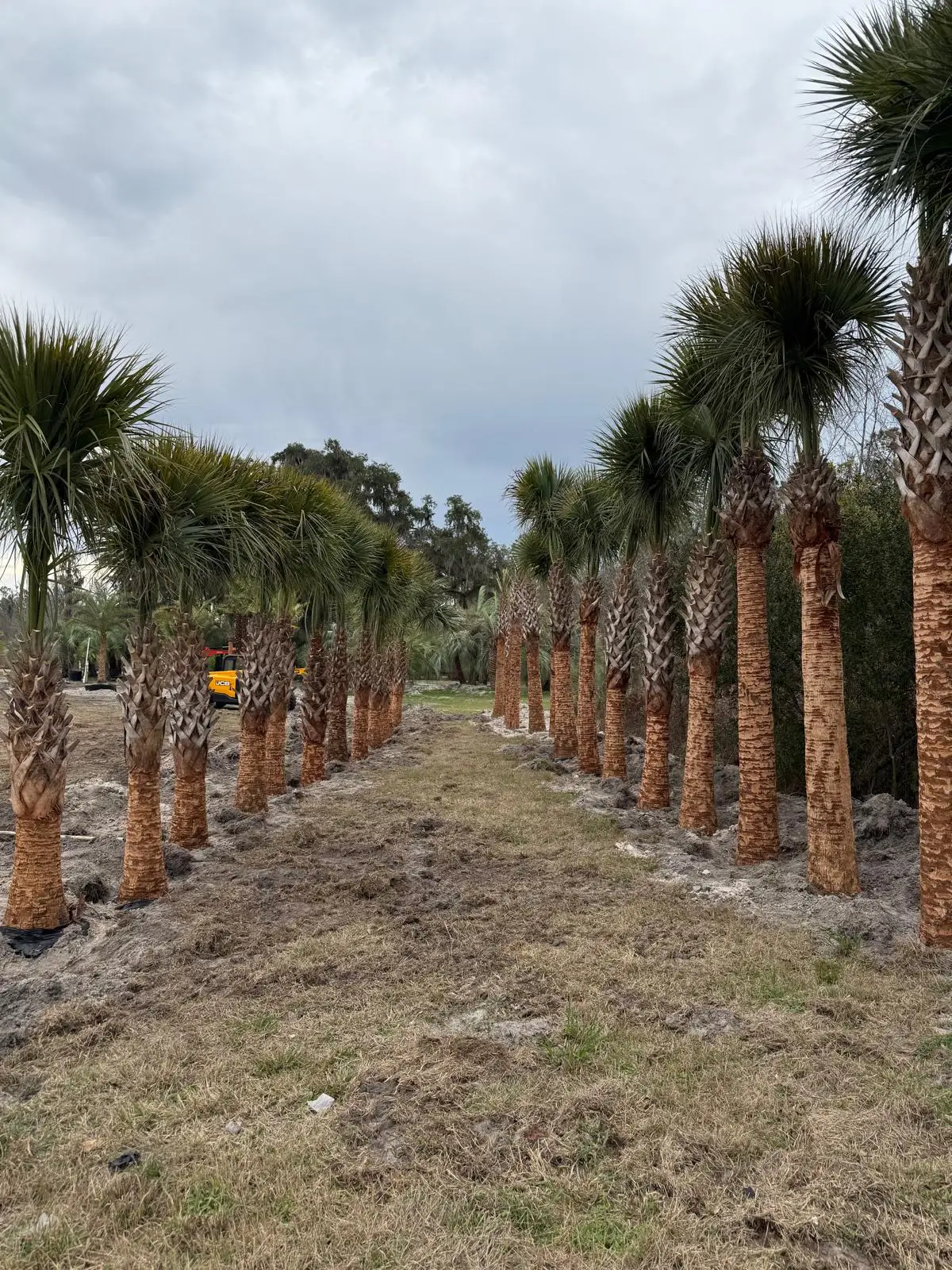
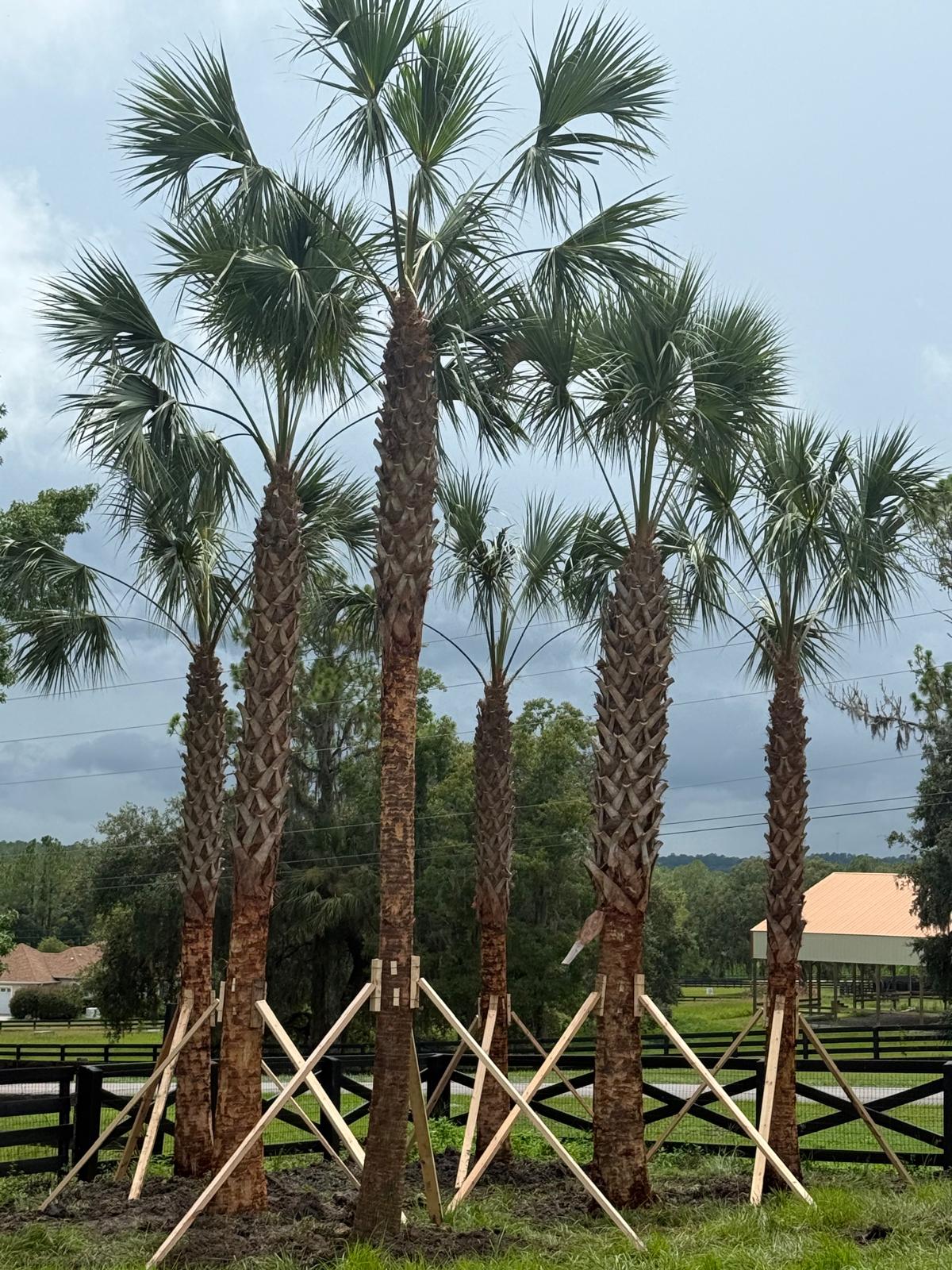
Can I plant a Sabal Palmetto in a group?
Sabal Palmettos make a stunning visual impact when planted in groups, especially with staggered sizes, allowing their canopies to grow at varying heights for a more dynamic, natural look.

Interested in this Palm?

Contact us!

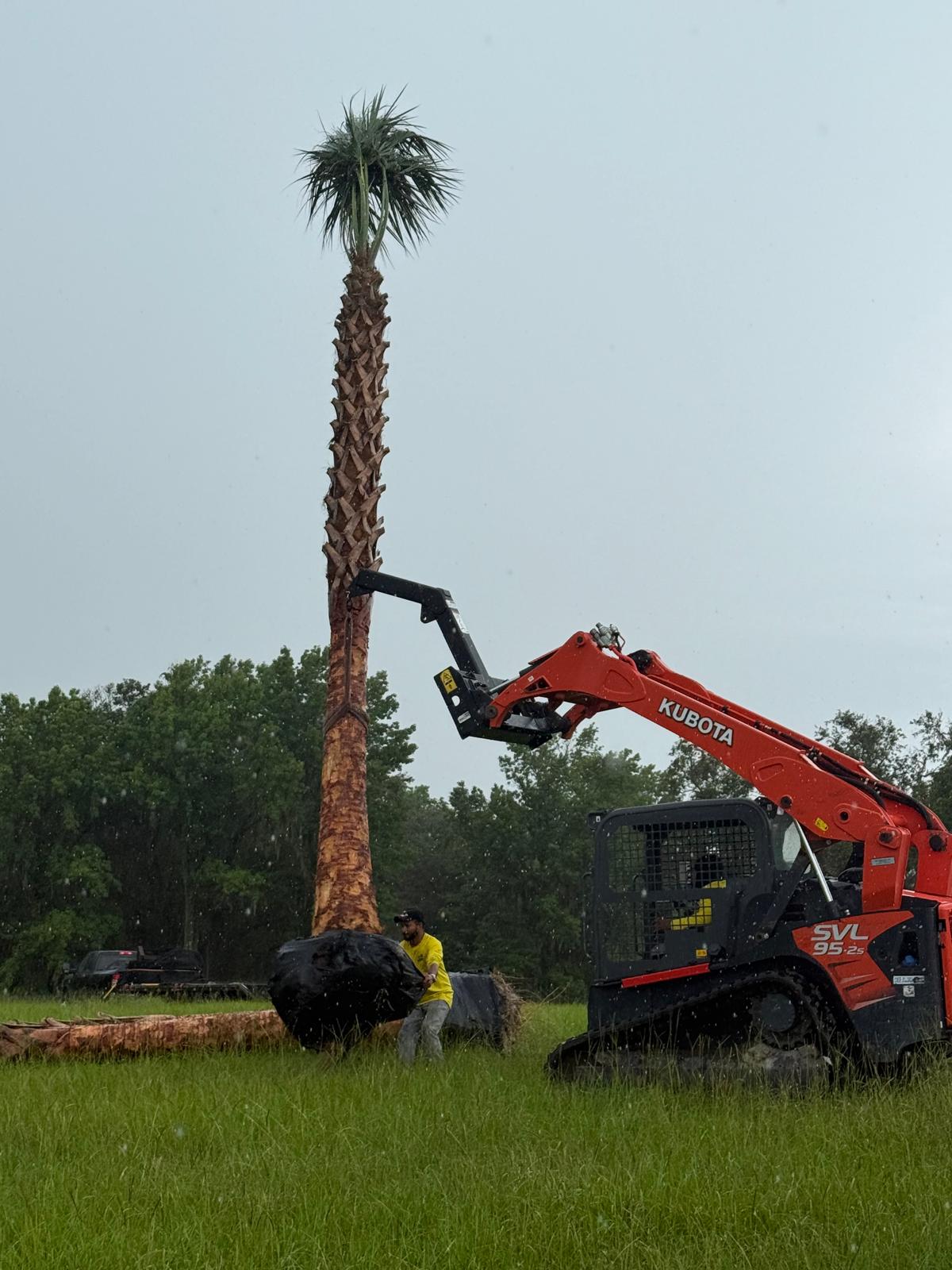
Recent Sabal Palmetto Installations in Georgia, Florida and South Carolina: Panama City, Pensacola, Savannah, Hilton Head, Atlanta, Locust Grove, McDonough, Fayetteville, Peachtree City, and Macon.