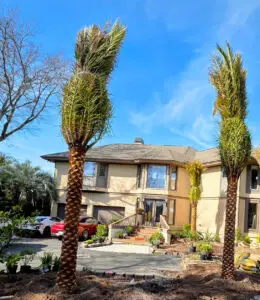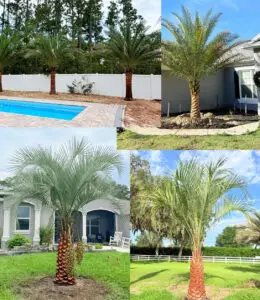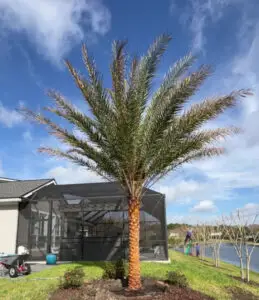


Fall is a great time to plant! Here are some the reasons why:
Most people think of planting plants in spring or summer, but when it comes to palms, there is no wrong season to plant! In fact, fall is one of the smartest times of the year to plant palm trees. At Iguana Palms, we’ve seen year after year how palms installed between September and November settle in stronger, grow healthier roots and look best in spring and summer.
The Benefits of Fall Planting
Cooler air, warmer soil: While the air is cooler in the autumn months, the soil stays warm well into fall. This creates the perfect environment for root growth without the stress of scorching sun.
Less water stress: With shorter days and seasonal rain, as well as less scorching heat, your palm establishes easier with less irrigation.
Head Start for Spring: By planting now, your palm has months to anchor itself before the spring and summer, meaning it will be looking great when you plant other seasonal plants around it.
Lower Transplant Shock: Summer heat can stress out freshly installed palms. Fall planting allows them a more gentle transition to their new environment.
Our Top Palms for Fall Installation
Windmill Palm (Trachycarpus fortunei)
- Elegant: Tall growing palm with fronds shaped like fans and a fibrous thin trunk give it an elegant, tropical look.
- Cold-Hardiest: Known to be one of the most cold-tolerant palms in the world, surviving temperatures as low as 5-10°F and below 0 if for short periods.
- Tidy and Easy: Windmills don’t drop messy fruit clusters and are drought tolerant and very low-maintenance.
Pindo Palm (Butia capitata)
- Graceful: Medium sized palm with silvery-blue, arching fronds that cascade around a thick trunk- giving a unique, tropical elegance to any landscape.
- Cold-Hardy: Thrives in cooler zones, reliably withstands temperatures down to 15°F, making it the toughest and cold-hardiest feather-leaf palm.
- Fruitful & Hardy: The Pindo Palm produces edible fruit known as “Pindo dates” used for jellies. Apart from the occasional mess from the fruits, it requires little care once established and tolerates drought.
Sabal Palmetto
- Iconic: Florida’s state tree, instantly recognizable with its full fan-like crown and tall thick trunks.
- Tough-as-Nails: Cold-Hardy down to 15°F. It handles drought, salt, wind, and a wide range of soils. It is also one of the hardiest native palms, so much so that it is known to survive hurricane force winds!
- Low-care Evergreen: Naturally pest resistant, low maintenance, and reliable year-round greenery.
Sylvester Palm (Phoenix sylvestris)
- Dramatic: Large, arching fronds and a bold crown atop a structured long and thin trunk give it a striking, luxurious presence.
- Cold-Resilient: Although the least cold-hardy out of the palms listed above, it is still somewhat cold-hardy. It can handle temperatures down to around 18-20°F.
- Low Maintenance: Naturally hardy, drought tolerant, and easier to take care of than other large specimen palms.
Final Thoughts
Planting in fall gives your palms the best possible start- cooler air, warmer soil, and months to root in before next summer. At Iguana Palms, we specialize in cold-hardy varieties like the Pindo Palm, Sabal Palmetto, Windmill Palm, and Sylvester Palms proven to thrive in cold climates of varying degrees with beauty and ease. Whether you are looking for a graceful accent tree, an iconic centerpiece, or a dramatic statement for your entryways-palms deliver year-round impact with surprisingly low-maintenance. If you live in a cooler area with season, don’t wait until Spring to plant your palm.
Fall is the perfect season to transform your landscape into a tropical retreat, especially even in colder climates.