Suppose you live in Valdosta, Savannah, Jacksonville, Tallahassee, Gainesville, Panama City, Ocala, Tampa, Orlando, Crystal River, or The Villages. In that case, you know the challenge: you want beautiful palm trees, but your winters can bring occasional freezes that devastate tropical species. The good news? Several stunning, cold-hardy palms thrive in USDA Hardiness Zone 9, giving you that coveted Florida aesthetic without the winter heartbreak.
At Iguana Palms, we specialize in the four most reliable cold-hardy palms for Zone 9: Sylvester Palms, Sabal Palmettos, Pindo Palms, and Windmill Palms. Let’s explore why these palms are perfect for your North Florida or South Georgia landscape – and why buying from a local specialist makes all the difference.

Understanding USDA Hardiness Zone 9
Zone 9 covers a significant swath of North Florida and South Georgia, with average minimum winter temperatures ranging from 20°F to 30°F. Some of these cities include:
Georgia Cities:
- Valdosta GA (Zone 9a)
- Savannah GA (Zone 9a)
North & Central Florida Cities:
- Jacksonville FL (Zone 9a/9b)
- Tallahassee FL (Zone 8b/9a)
- Gainesville FL (Zone 9a)
- Panama City FL (Zone 9a)
- Ocala FL (Zone 9a/9b)
Central Florida Cities:
- Tampa FL (Zone 9b/10a)
- Orlando FL (Zone 9b)
- Crystal River FL (Zone 9a/9b)
- The Villages FL (Zone 9a/9b)
While these areas enjoy warm, humid summers perfect for palm growth, winter cold snaps require careful palm selection. Plant the wrong species and you’ll face expensive replacements after every hard freeze. Choose wisely, and your palms will flourish for decades.
Why Cold Hardiness Matters in Zone 9
Every few years, Zone 9 experiences temperatures in the low 20s or even upper teens. While brief, these freezes separate cold-hardy palms from their tropical cousins. Here’s what happens when palms aren’t suited to your climate:
- Frond Damage: Freeze-damaged fronds turn brown and die
- Bud Damage: Severe cold kills the growing point, killing the entire palm
- Recovery Time: Even if the palm survives, recovery takes years
- Replacement Costs: Replacing dead palms costs more money than installing them for the first time, since removing the dead palm is an added cost.
Cold-hardy palms, by contrast, shrug off these temperature drops and continue thriving year after year. That’s why selecting proven Zone 9 palms is critical for homeowners in Valdosta, Savannah, Jacksonville, Tallahassee, Gainesville, and surrounding areas.
The Top 4 Cold Hardy Palms for Zone 9
1. Sylvester Palm (Phoenix sylvestris)


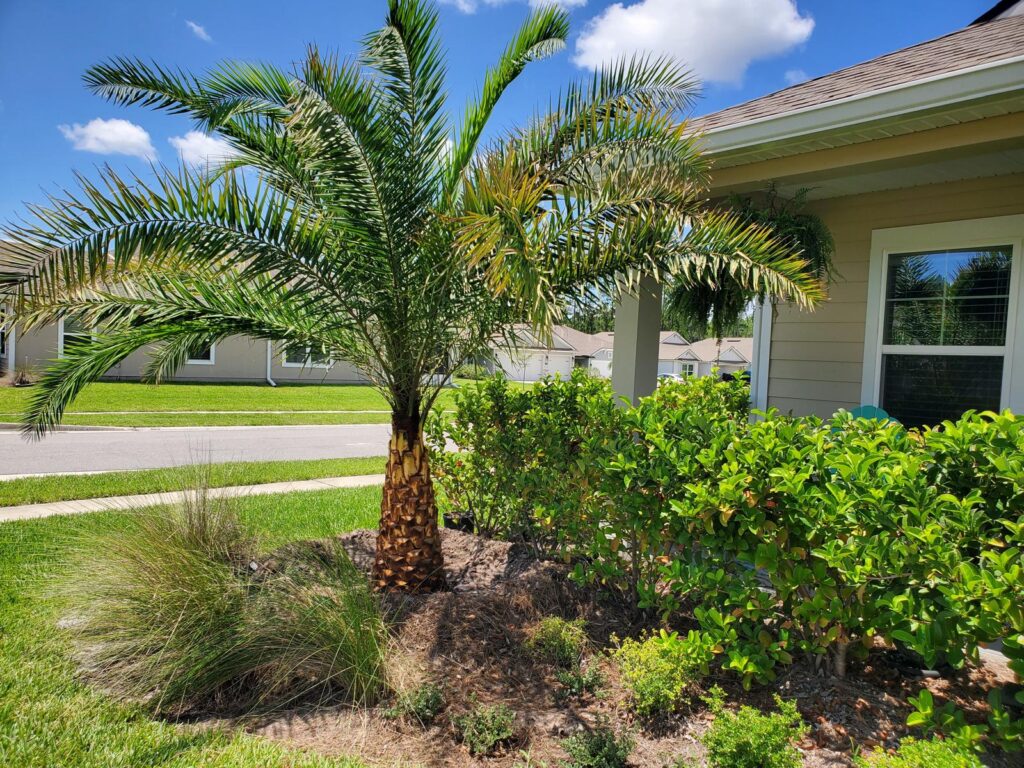
Cold Hardiness: 20°F Short periods down to 15°F
Mature Height: 30-50 feet
Growth Rate: Moderate
Grow Zones: 8b-11
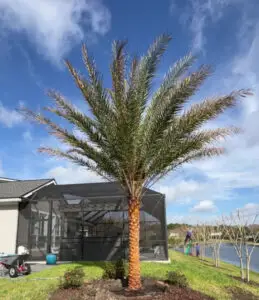
The Sylvester Palm, also called the Silver Date Palm, is one of our most popular choices for North Florida and South Georgia. With its majestic size, silvery-blue fronds, and exceptional cold tolerance, it creates that classic “Florida palm” look without the vulnerability of tropical species.
Why Sylvester Palms Excel in Zone 9:
Outstanding Cold Tolerance: Sylvester palms can handle temperatures down to 12-15°F for short periods, making them suitable even for occasional extreme cold events in Tallahassee, Valdosta, or Gainesville.
Architectural Beauty: The blue-gray fronds create a striking appearance that stands out in landscapes. Mature specimens develop a thick, textured trunk that adds character and curb appeal.
Low Maintenance: Once established, Sylvester palms require minimal care. They tolerate a wide range of soil types and are relatively drought-tolerant.
Perfect Size: Sylvester palms provide substantial presence without overwhelming residential properties, with symmetrical canopies and slender, textured trunks.
Best Locations in Your Landscape:
- Focal point in front yards (Jacksonville, Orlando, Tampa)
- Driveway or street-side plantings (Savannah, Crystal River)
- Pool area specimens (The Villages, Ocala)
- Mixed with other palms for tropical effect (Panama City)
Iguana Palms Advantage: We grow field-grade Sylvester palms specifically acclimated to Zone 9 conditions. Our palms have already survived winters in North Florida, ensuring they’re truly cold-hardy for your landscape. In fact, Iguana Palms is the northernmost Florida palm tree farm, so we can ensure our palms are truly cold-hardy for zone 9.
2. Sabal Palmetto (Sabal palmetto)
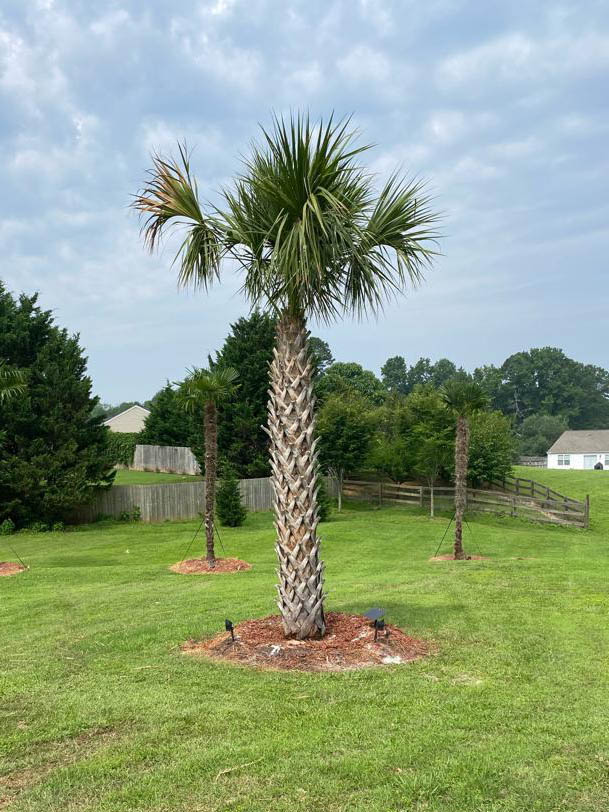
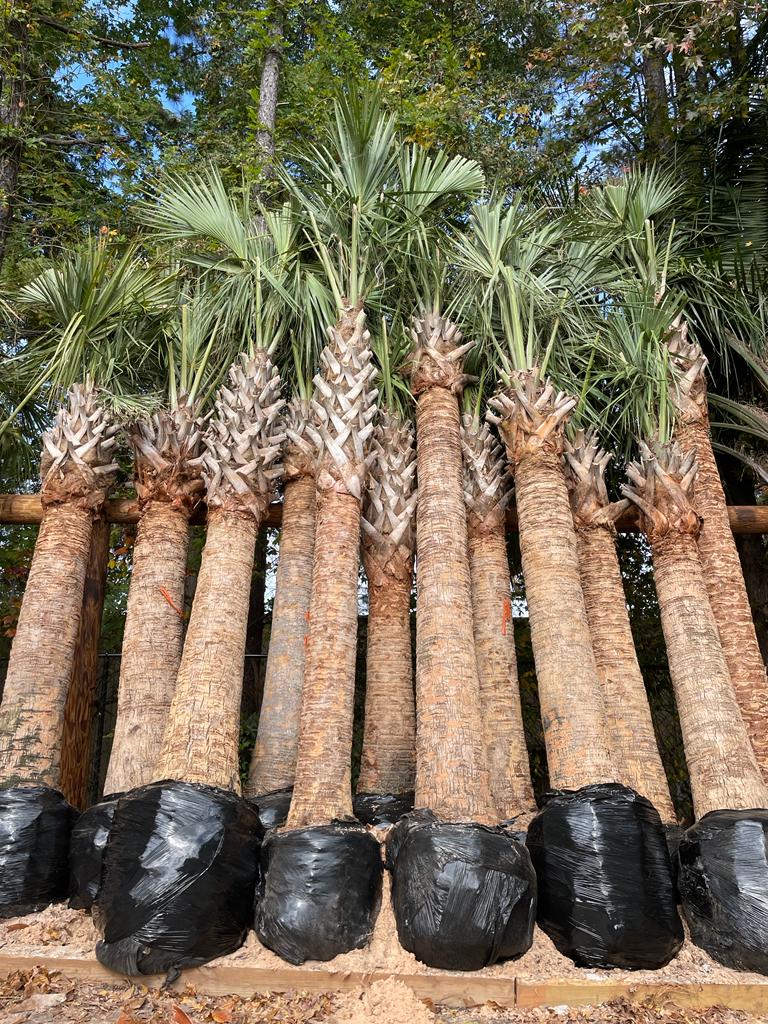

Cold Hardiness: 15°F short periods down to 10°F
Mature Height: 40-50 feet
Growth Rate: Slow to Moderate
Best Zones: 8a-11
The Sabal Palmetto is Florida’s state tree for good reason. Native to the Southeast, it’s perfectly adapted to Zone 9 conditions from Valdosta to Tampa. This palm has survived Florida’s climate for thousands of years – including every freeze, hurricane, and drought in recorded history.
Why Sabal Palmettos Are Zone 9 Champions:
Native Superiority: As a native palm, Sabal Palmetto is genetically adapted to Zone 9 weather patterns. It doesn’t just survive cold – it thrives in it.
Exceptional Cold Tolerance: Tolerates temperatures down to 15°F without damage. Some established specimens have survived even colder temperatures in North Florida.
Hurricane Resistant: The flexible trunk and fan-shaped fronds bend but rarely break in high winds – critical for coastal areas like Savannah, Jacksonville, and Panama City.
Drought Tolerant: Deep roots tap into groundwater, making Sabal Palmetto one of the most water-wise palm tree choices.
Long-Lived: These palms can live 100+ years, making them a true investment in your property.
Best Locations in Your Landscape:
- Street trees (perfect for Tallahassee, Gainesville, Ocala)
- Natural areas and woodland edges
- Coastal properties (Savannah, Jacksonville, Panama City)
- Restoration or native landscape projects
- Large properties needing substantial palms
Historical Note: Sabal Palmettos have historic significance throughout the Southeast. Fort Moultrie in Charleston was built from Sabal Palmetto logs – their spongy wood absorbed British cannonballs during the Revolutionary War. That same toughness makes them indestructible in your landscape.
3. Pindo Palm (Butia capitata)
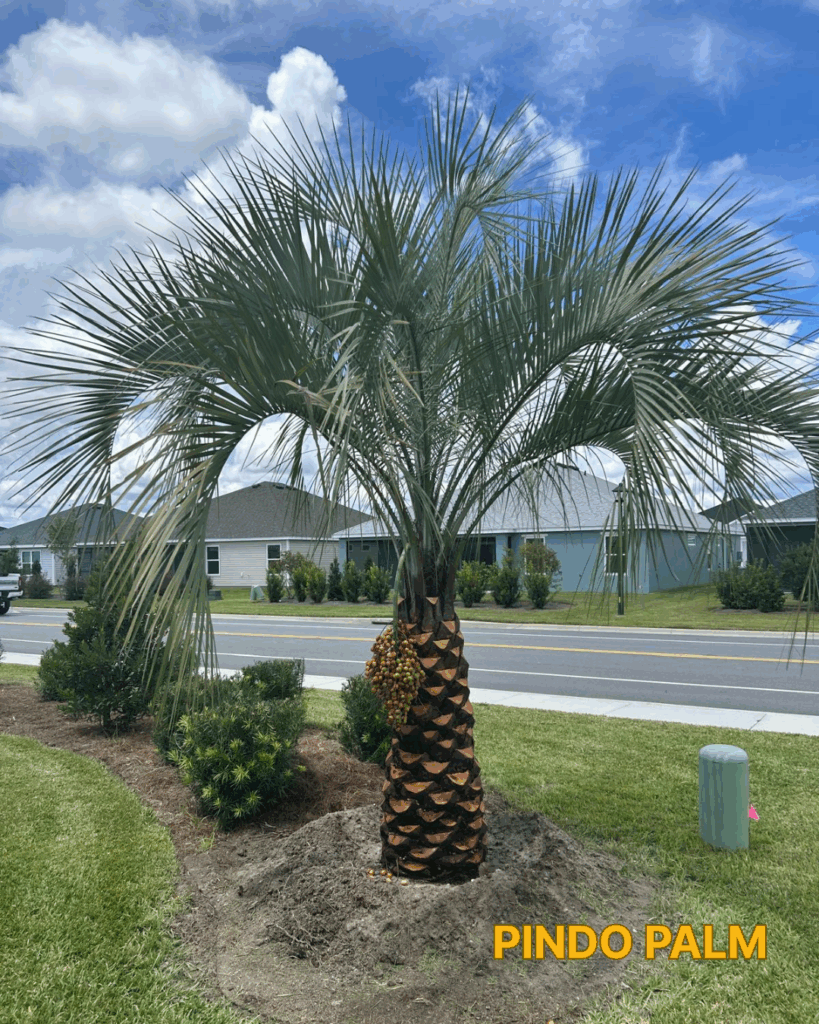
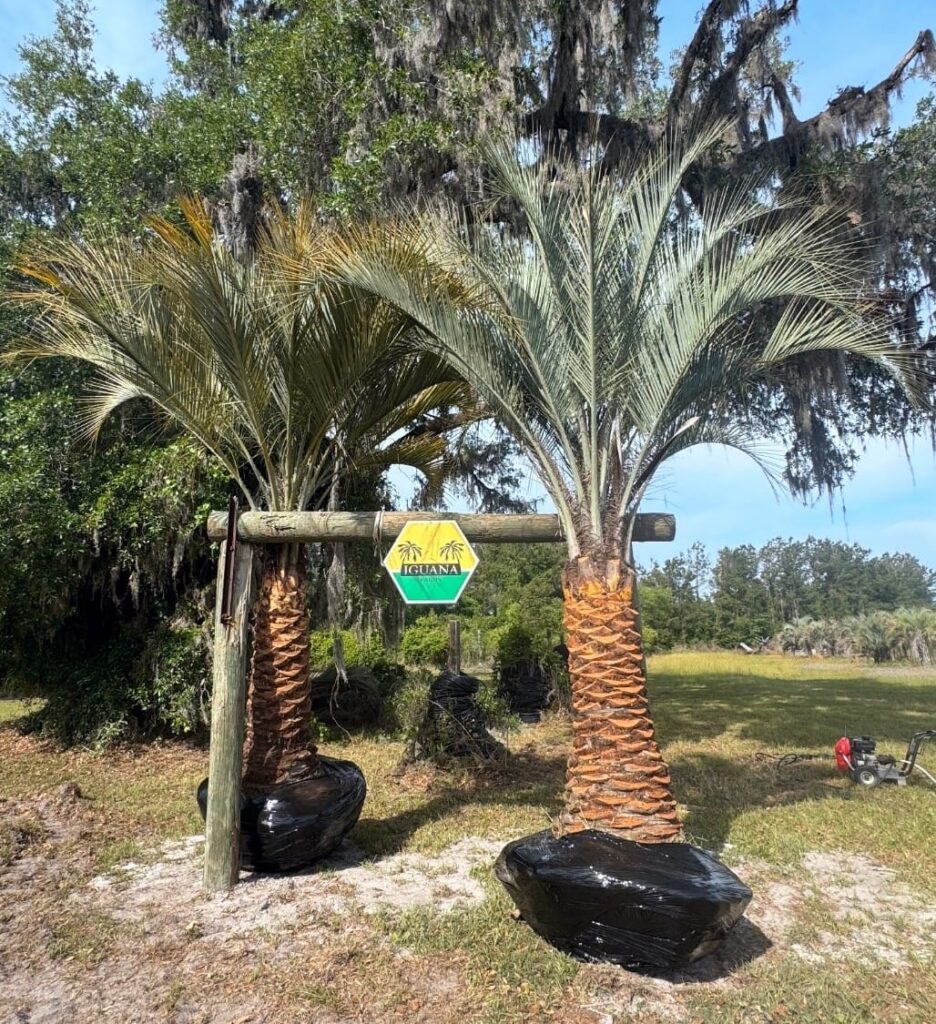
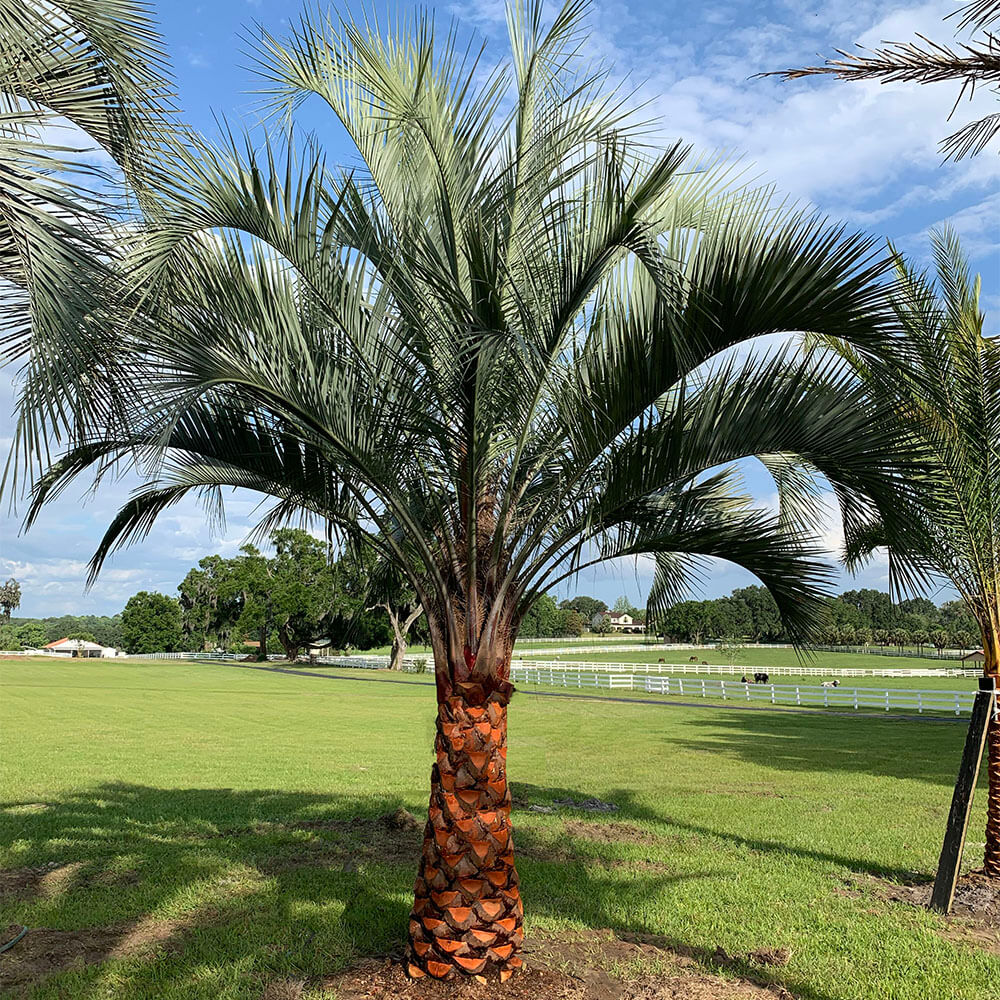
Cold Hardiness: 15°F short periods down to 10°F
Mature Height: 15-20 feet
Growth Rate: Slow
Best Zones: 7b-11
The Pindo Palm is the hardiest feather palm available, with cold tolerance that extends well beyond Zone 9’s typical minimums. Its compact size, beautiful arching fronds, and edible fruit make it a favorite from Valdosta to Tampa.
Why Pindo Palms Are Perfect for Zone 9:
Extreme Cold Hardiness: With tolerance to low temperature, Pindo palms survive the worst Zone 9 can throw at them – and they’re suitable even in Zone 8 areas like parts of Tallahassee.
Manageable Size: At just 15-20 feet, Pindo palms fit comfortably in typical residential landscapes without overwhelming homes or growing into power lines.
Beautiful Blue-Gray Foliage: The distinctive silvery-blue color creates stunning visual interest and contrasts beautifully with green landscape plants.
Edible Fruit: Produces clusters of golden-orange fruit (often called “pindo dates”) that make excellent jelly.
Slow Growth = Less Maintenance: While it takes time to mature, slow growth means less trimming and lower long-term maintenance.
Best Locations in Your Landscape:
- Small to medium front yards (Orlando, Tampa, Crystal River)
- Pool areas where compact size is needed (The Villages, Ocala)
- Container specimens for patios (can be grown in large pots)
- Mixed plantings with shrubs and perennials
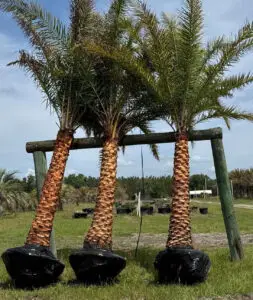
Pro Tip: Pindo palms look spectacular when styled diamond cut. This creates a more formal, elegant appearance perfect for Savannah, Jacksonville, or other areas with traditional landscaping styles.
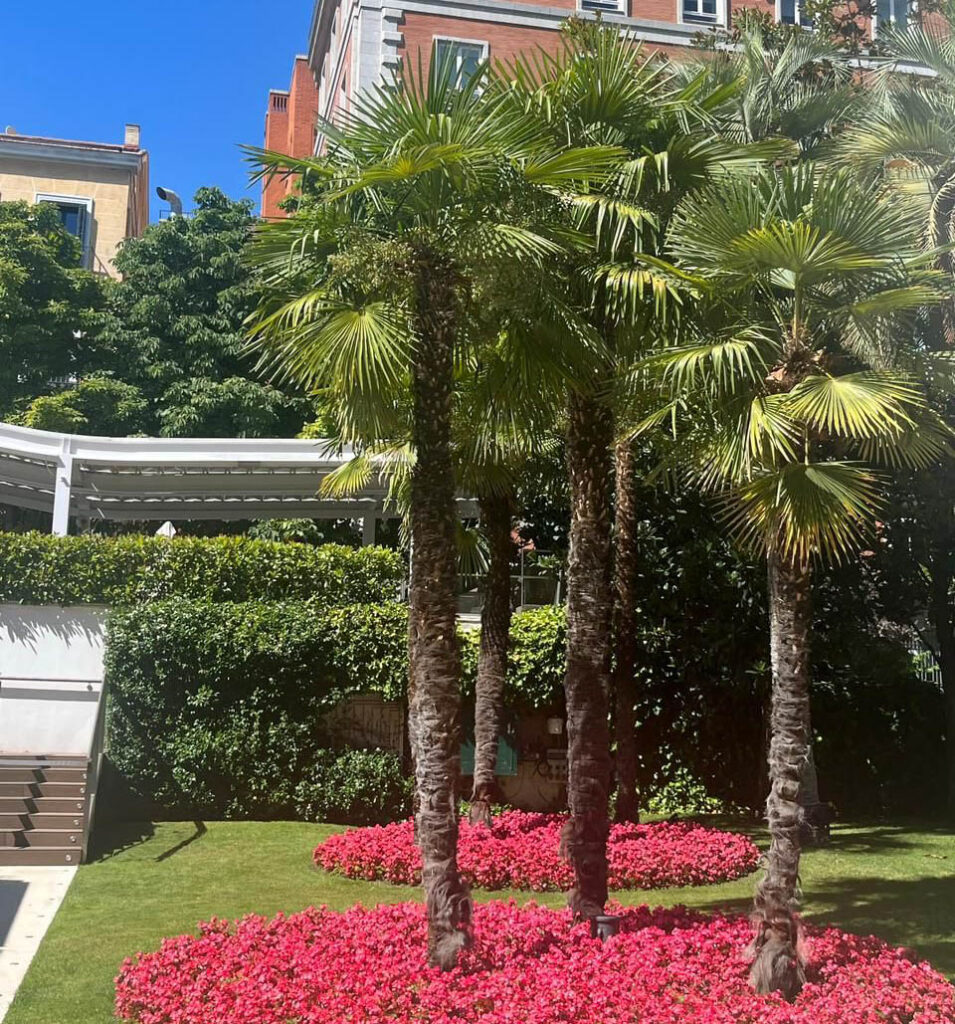
4. Windmill Palm (Trachycarpus fortunei)
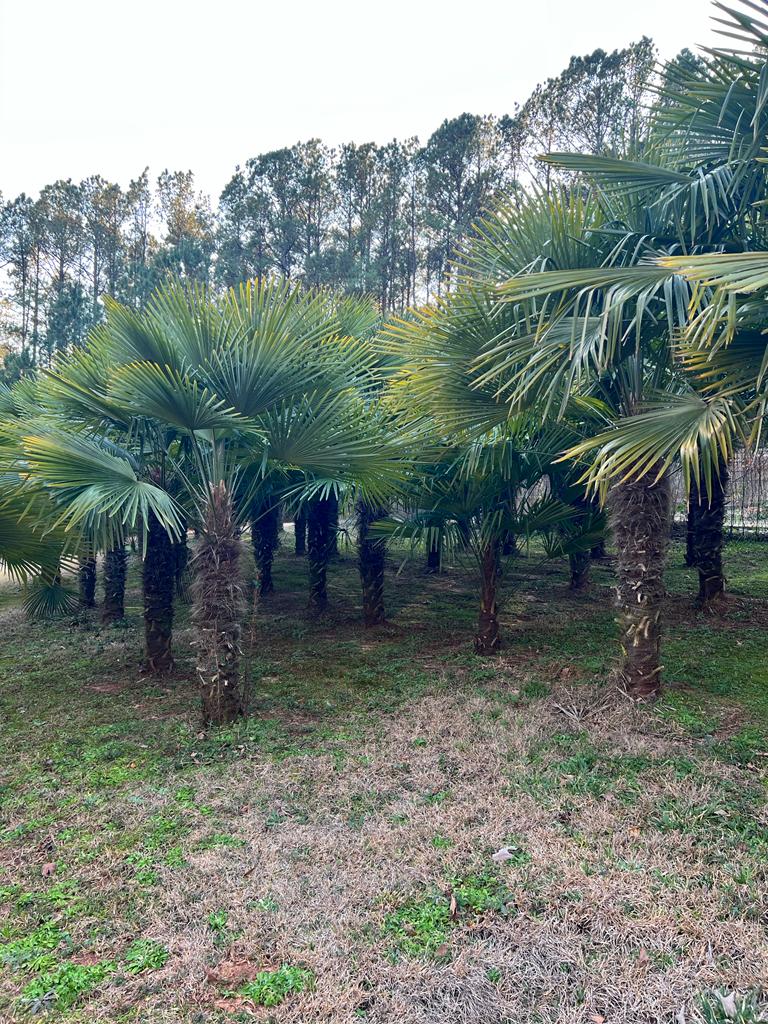
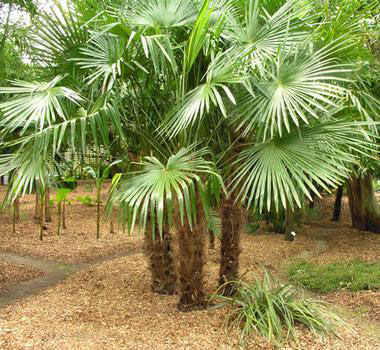
Cold Hardiness: 5°F short periods down to -5°F
Mature Height: 20-30 feet
Growth Rate: Slow to Moderate
Best Zones: 7b-11
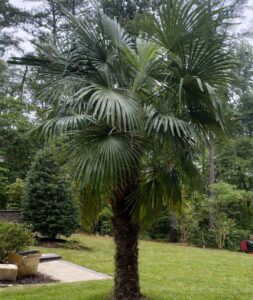
The Windmill Palm is the ultimate cold-hardy palm –it is the absolute cold hardiest tall palm. With its distinctive trunk covered in brown fiber and fan-shaped fronds, it brings exotic beauty with unmatched cold tolerance.
Why Windmill Palms Are Zone 9 Superstars:
Unbeatable Cold Tolerance: Windmill palms tolerate temperatures from -5°F to 5°F. They’re essentially freeze-proof in Zone 9, making them the safest choice for Valdosta, Tallahassee, or anywhere cold damage is a concern.
Unique Appearance: The trunk covered in brown hair-like fiber creates a distinctive look unlike any other palm. The fibrous trunk not only gives the palm a distinctive texture, but it also helps protect it from the cold.
Shade Tolerant: It tolerates full sun, but it is one of the few palms that performs well in partial shade, making it perfect for woodland settings.
Wind Resistant: Despite the name (which refers to the frond shape, not wind tolerance), these palms handle storms remarkably well.
Versatile Size: At 20-30 feet, it is a tall but slender palm. The Windmill palms work in various landscape scales from small yards to large properties.
Best Locations in Your Landscape:
- Lining the driveway
- Around pools or outdoor pergolas
- Asian-inspired or contemporary landscapes
- Urban settings with reflected heat
- Properties with extreme cold exposure (northern Valdosta, northern Tallahassee)
- Entry statements and courtyards
Special Consideration: Windmill palms grow best with some afternoon shade in Zone 9. While they tolerate full sun, they look better and grow faster with protection from intense summer heat – making them perfect for properties with mature trees in Gainesville, Ocala, or Jacksonville.
Choosing the Right Palm for Your Specific Location
Let’s break down which palms excel in each major market area:
Valdosta, GA & Savannah, GA
Climate Consideration: Coldest winters in our service area; occasional temperatures in upper teens.
Best Choices:
- Windmill Palm (most cold-hardy, tall)
- Pindo Palm (cold-hardy, medium height)
- Sabal Palmetto (cold-hardy, tall)
Jacksonville, FL & Tallahassee, FL
Climate Consideration: North Florida location; temperatures occasionally reach low 20s
Best Choices:
- Sabal Palmetto (state tree, native)
- Windmill Palm (maximum cold protection)
- Pindo Palm (reliable, attractive)
Gainesville, FL & Ocala, FL
Climate Consideration: North-Central Florida; moderate winters with occasional cold snaps
Best Choices:
- Sylvester Palm (thrives here, stunning appearance)
- Sabal Palmetto (native, bulletproof)
- Pindo Palm (perfect size for residential)
Panama City, FL & Crystal River, FL
Climate Consideration: Coastal influence moderates temperatures; occasional cold but less severe
Best Choices:
- Sabal Palmetto (native, hurricane-proof)
- Sylvester Palm (beautiful, cold-hardy enough)
- Pindo Palm (compact, reliable)
Tampa, FL & Orlando, FL
Climate Consideration: Central Florida; milder winters but occasional hard freezes
Best Choices:
- Sylvester Palm (perfect climate, stunning specimen)
- Sabal Palmetto (native, long-lived)
- Pindo Palm (residential favorite)
The Villages, FL
Climate Consideration: Central Florida; similar to Orlando with mild winters
Best Choices:
- Pindo Palm (perfect scale for Villages homes)
- Sylvester Palm (statement piece)
- Sabal Palmetto (native, low maintenance)
Why Buy Cold Hardy Palms from Iguana Palms?
1. Local Expertise & Acclimation
We grow our palms in North Florida and South Georgia – the exact climate where you’ll plant them. Our palms have already survived real Zone 9 winters. They’re not shipped from South Florida or other tropical areas where they’ve never experienced cold. When you buy from Iguana Palms, you’re getting palms that are already proven in your climate.
2. Professional Installation Services
We don’t just sell you palms and wish you luck. Our experienced installation crews serve Valdosta, Savannah, Jacksonville, Tallahassee, Gainesville, Panama City, Ocala, Tampa, Orlando, Crystal River, The Villages, and surrounding areas. We handle:
- Proper Site Assessment: Evaluating drainage, sun exposure, and spatial requirements
- Correct Planting Depth: Critical for palm health and survival
- Soil Amendment: Improving Florida’s sandy soil for optimal growth
- Staking & Support: Ensuring palms establish properly
- Initial Fertilization: Getting palms off to the best start
3. Convenient Delivery Throughout Our Service Area
We deliver throughout North Florida and South Georgia. Whether you’re in Valdosta, Savannah, Jacksonville, Tallahassee, Gainesville, Panama City, Ocala, Tampa, Orlando, Crystal River, or The Villages, we bring quality cold-hardy palms directly to your property.
4. Industry-Leading 1-Year Warranty
We stand behind our palms with a comprehensive 1-year warranty for palm trees that we install within the Florida and Georgia area. If properly maintained and irrigated, we guarantee your palm’s survival. This protection gives you peace of mind that your investment is secure.
5. Complimentary Design Services
Not sure which palm is right for your property? How many do you need? Where should they be placed? Our complimentary design consultation service helps you:
- Select the Right Species: Matching palms to your specific conditions
- Determine Quantities: Avoiding over- or under-planting
- Plan Placement: Creating balanced, professional-looking designs
- Coordinate with Existing Landscape: Ensuring new palms complement current plantings
- Plan for Mature Size: Avoiding future problems with power lines, structures, or crowding
6. We Also Purchase Oversized Palms
Have Sylvester Palms or Pindo Palms that have outgrown their space? We buy mature palms throughout our service area. If you have oversized palms in Valdosta, Savannah, Jacksonville, Tallahassee, Gainesville, Panama City, Ocala, Tampa, Orlando, Crystal River, or The Villages that need removal, contact us for a quote. We carefully extract and relocate these valuable specimens to appropriate settings.
Planting Season & Best Practices for Zone 9
Zone 9 Planting Tips:
- Water Consistently: New palms need deep watering 2-3 times weekly during establishment
- Mulch Properly: Apply 2-3 inches around (not touching) trunk to conserve moisture
- Fertilize Appropriately: Two or three times a year is enough. Use slow-release palm fertilizer in spring and summer
Ready to Add Cold Hardy Palms to Your Landscape?
At Iguana Palms, we’ve made it easy for homeowners throughout North Florida and South Georgia to enjoy beautiful, reliable palm trees. Whether you’re in Valdosta, Savannah, Jacksonville, Tallahassee, Gainesville, Panama City, Ocala, Tampa, Orlando, Crystal River, or The Villages, we have the cold-hardy palms, expertise, and services you need.
Our Process:
- Free Consultation: Discuss your property, preferences, and budget
- Complimentary Design: Receive professional placement and species recommendations
- Quality Selection: Choose from our inventory of field-grown, cold-hardy palms
- Professional Installation: Expert planting by experienced crews
- 1-Year Warranty: Peace of mind protection on your investment
- Ongoing Support: Care guidance for long-term success
Don’t risk tropical palms that will die in the first hard freeze. Choose proven Zone 9 performers – Sylvester Palms, Sabal Palmettos, Pindo Palms, and Windmill Palms – and enjoy the palm tree landscape you’ve always wanted without the worry.
Contact Iguana Palms today to schedule your complimentary design consultation. Let’s create the cold-hardy palm landscape that will thrive in your Zone 9 climate for decades to come. Your perfect palms are growing and ready – and we’ll deliver and install them throughout most of Georgia and Florida!
Serving: Valdosta GA | Savannah GA | Jacksonville FL | Tallahassee FL | Gainesville FL | Panama City FL | Ocala FL | Tampa FL | Orlando FL | Crystal River FL | The Villages FL