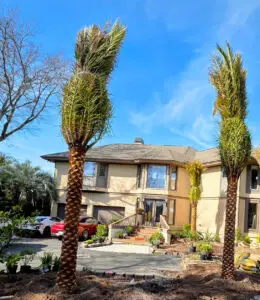
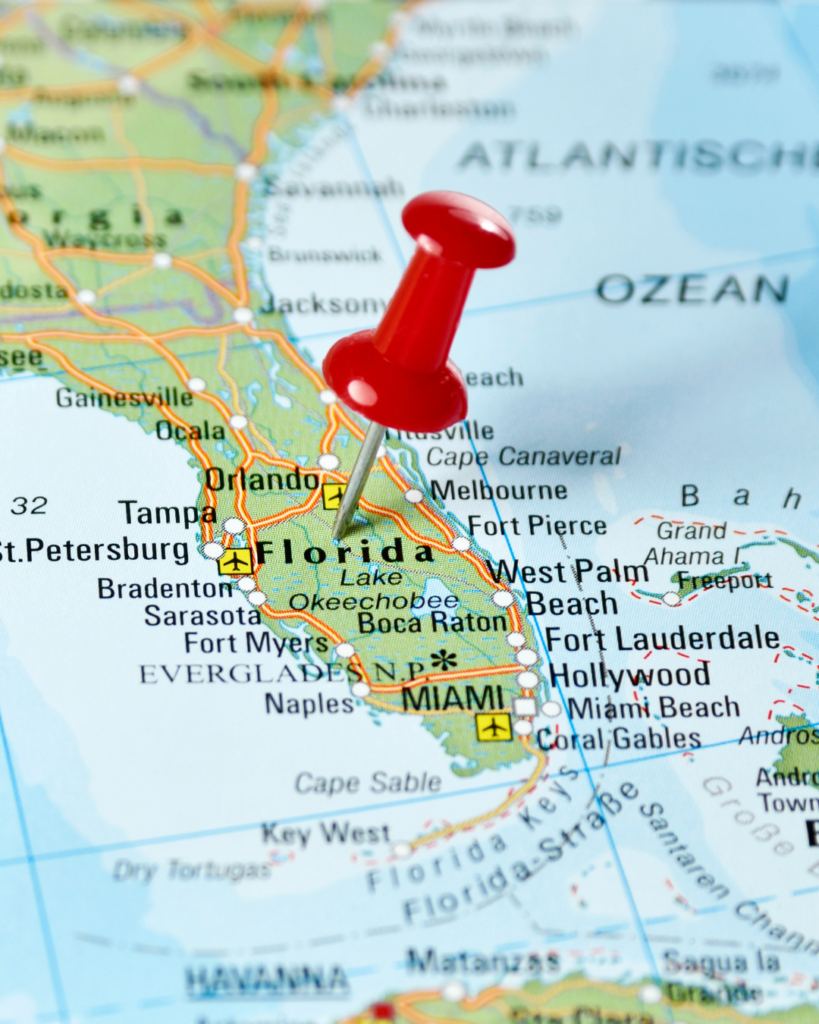
The Villages has one of is Florida’s largest active adult community—over 130,000 residents across Sumter, Lake, and Marion counties. Palm trees define the neighborhood aesthetic from Spanish Springs to Brownwood, but this inland Central Florida location presents real challenges: genuine winter freezes.
Although palm trees are commonly seen throughout the Villages, winter temperatures can take a toll on those that are not truly cold-hardy.
The Villages Climate & USDA Hardiness Zone
The Villages spans USDA Zone 9a (20-25°F) in the northern and western areas, and Zone 9b (25-30°F) in the southern and eastern areas.
Typical winter range from 35-45°F, but hard freezes (24-28°F) likely occur every 5-10 years in Central Florida including The Villages, Lady Lake, Leesburg and Wildwood. The freezes of 1989, 2010, and 2022 wiped out thousands of tropical palms-including Queen Palms, Coconut Palms, Coconut Palms, and Arecas- throughout the community.
Cold-hardy palms aren’t a preference here-they’re a requirement. Every palm planted in this area will face multiple freeze events during its 30-50 year lifespan, so unless you want to replace your palm tree every few years, cold-hardy palm trees are a must.
The three best Palm Trees for the Villages
1. Pindo Palm (Butia capitata)
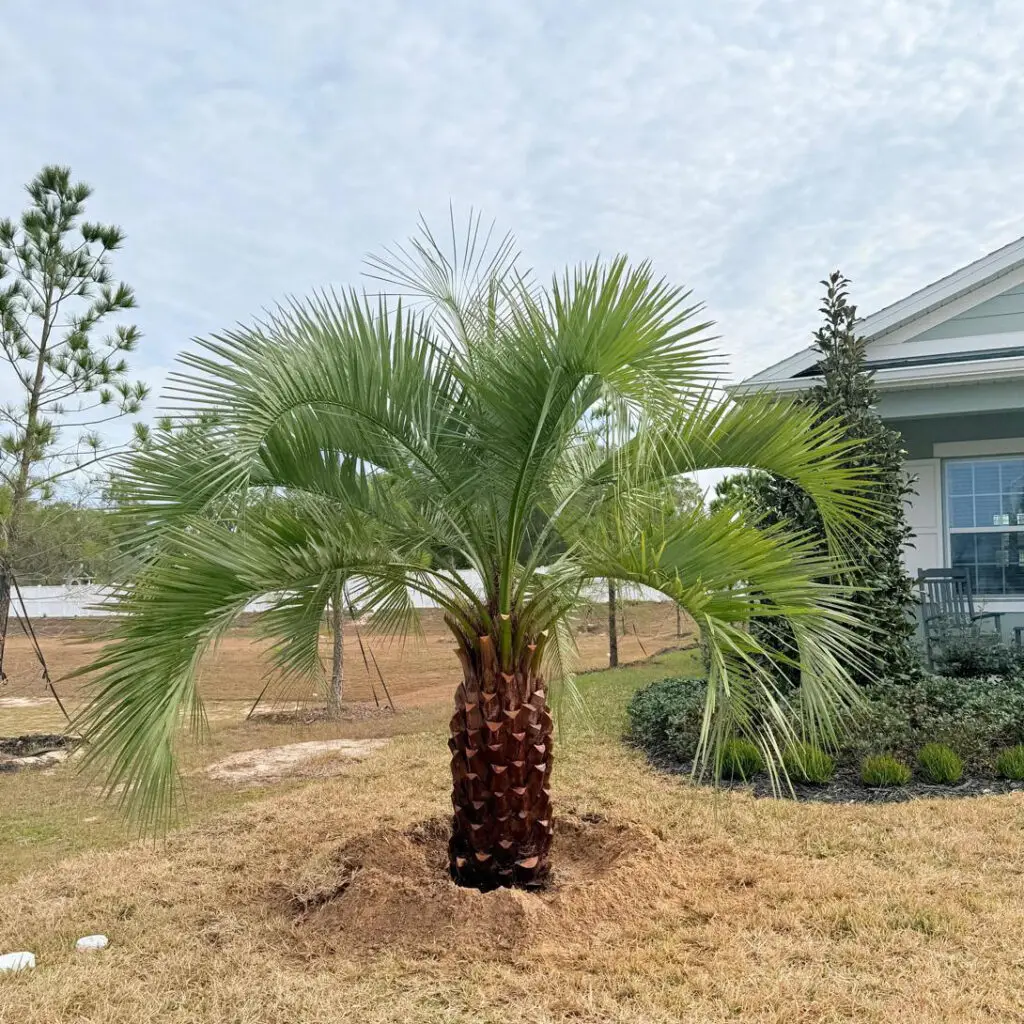
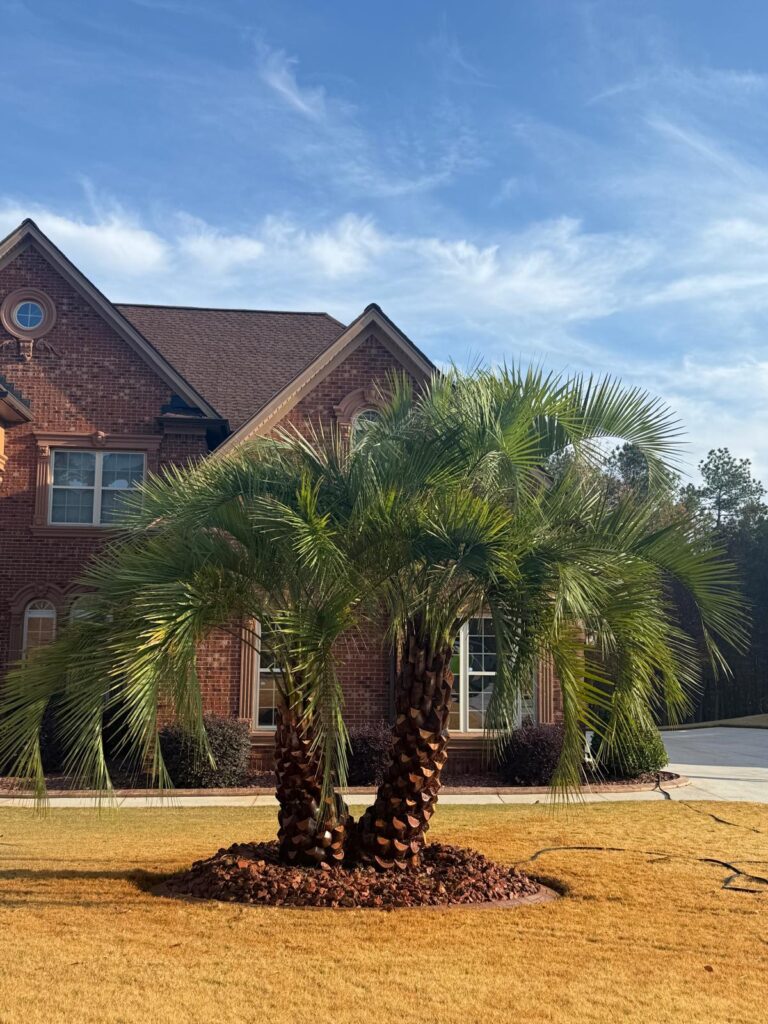
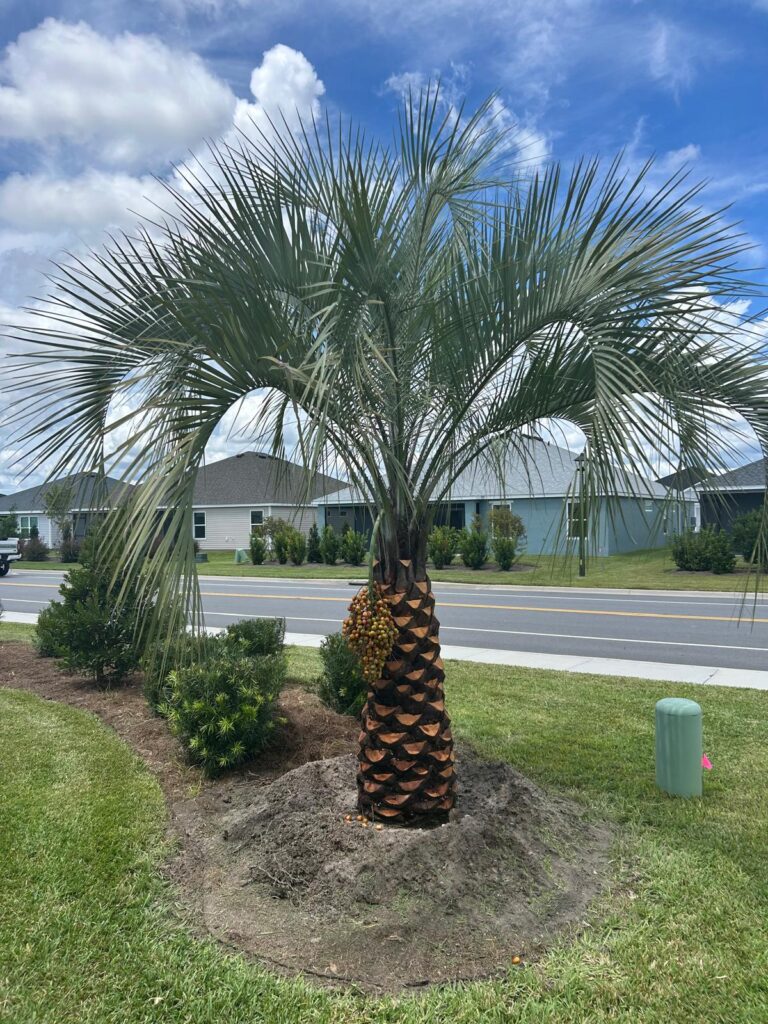
The Pindo Palm is the ideal residential palm for The Villages.
- Cold Hardiness: 5-10°F
- Height: 15-20 ft
- Maintenance: Very Low
- Growth Rate: Slow (6-10 inches per year)
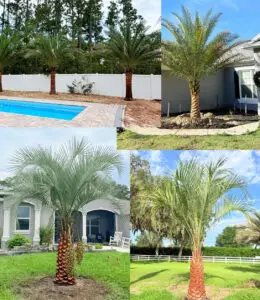
The Pindo Palm is, without question, the best all-around palm for The Villages and surrounding Central Florida areas. It remains perfectly scaled for villa and patio home lots, while its graceful, arching silvery-blue fronds bring softness and movement to the landscape year-round.
Highly resistant and extremely forgiving, Pindo Palms are exceptionally cold hardy, drought tolerant once established, pest resistant, low maintenance and slow growing. This makes the Pindo Palm the ideal palm tree for snowbird homeowners seeking a beautiful, worry free landscape.
Iguana Palms offers rare double and triple trunk Pindos- sculptural specimens that elevate the property from standard to exceptional.
2. Sylvester Palm (Phoenix sylvestris)
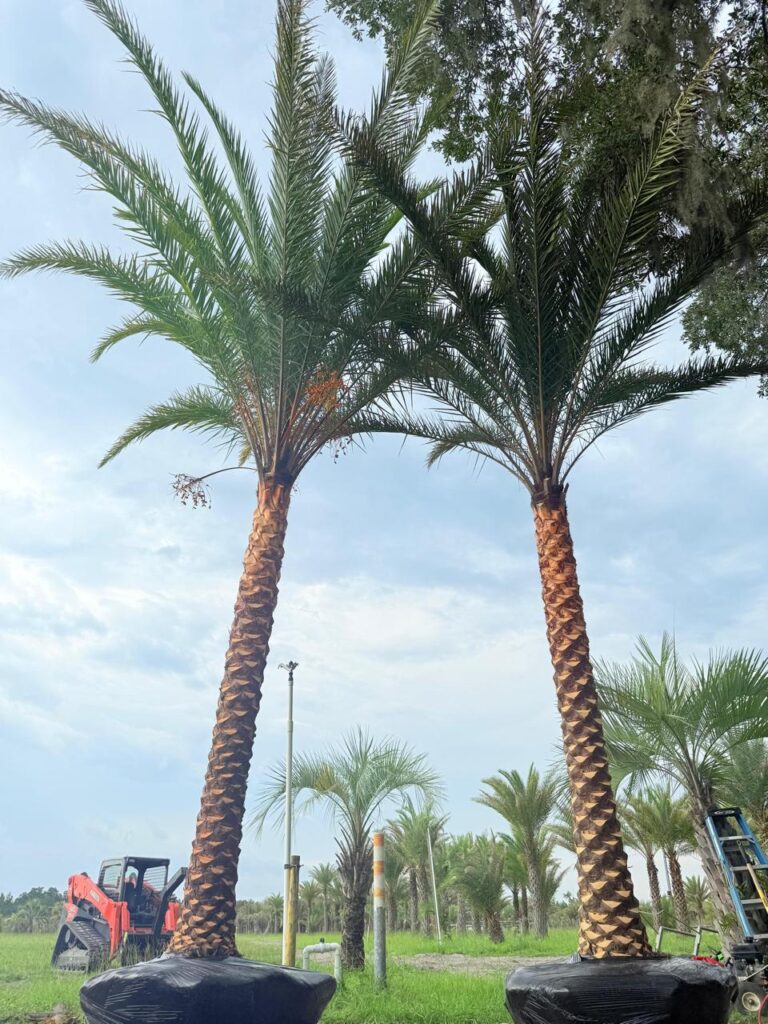
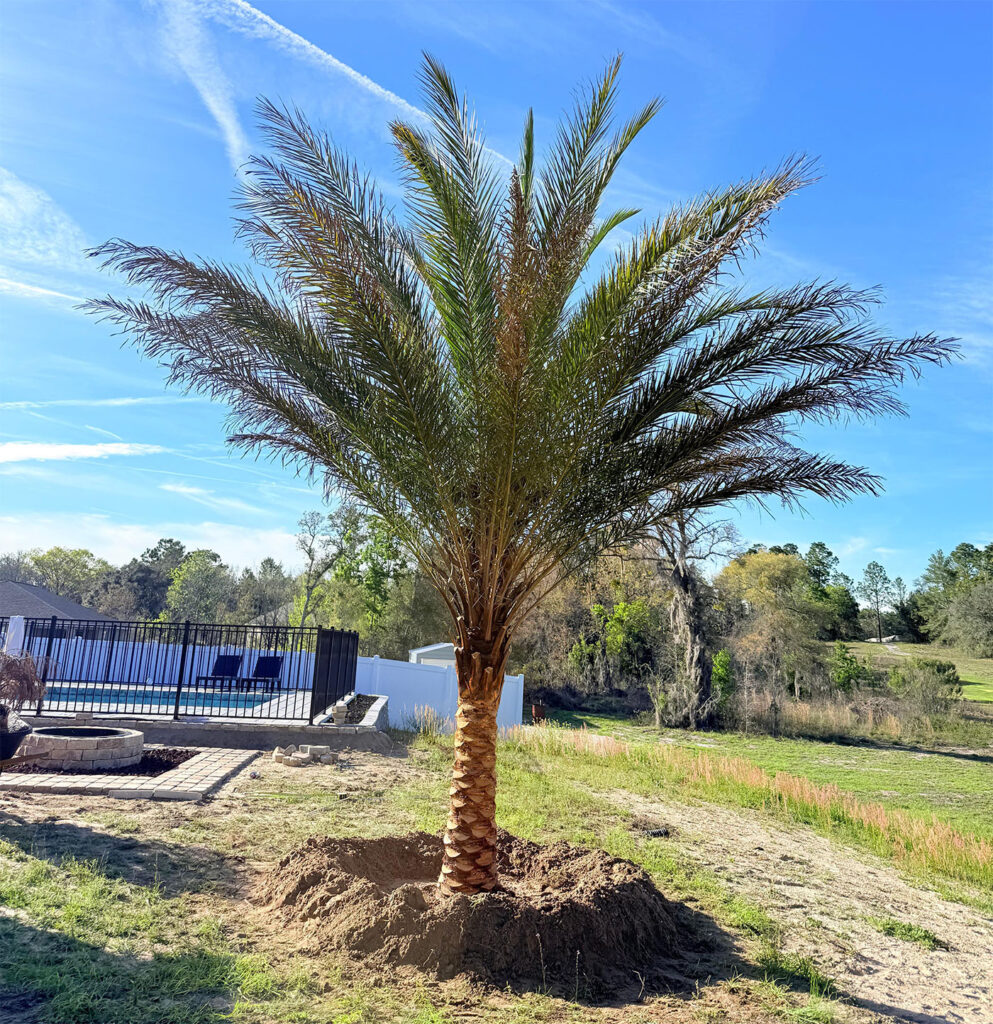
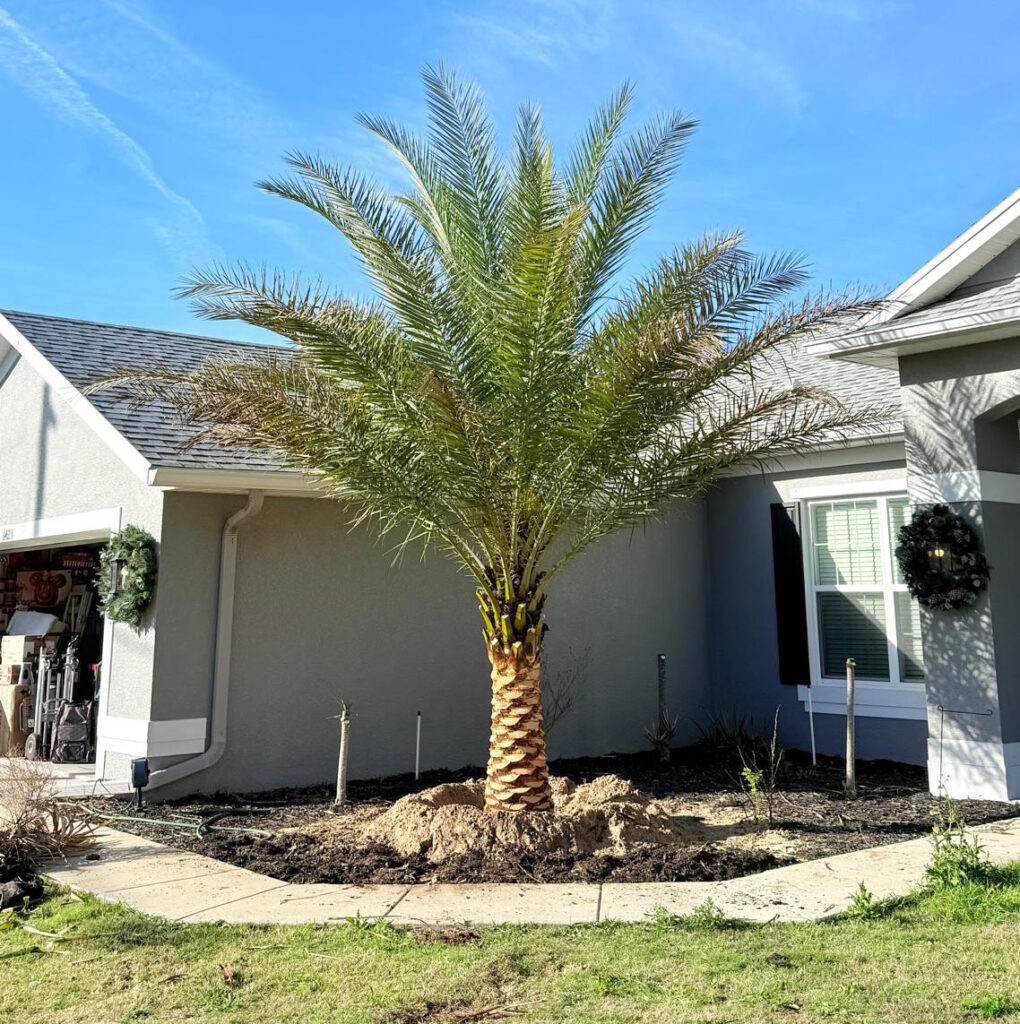
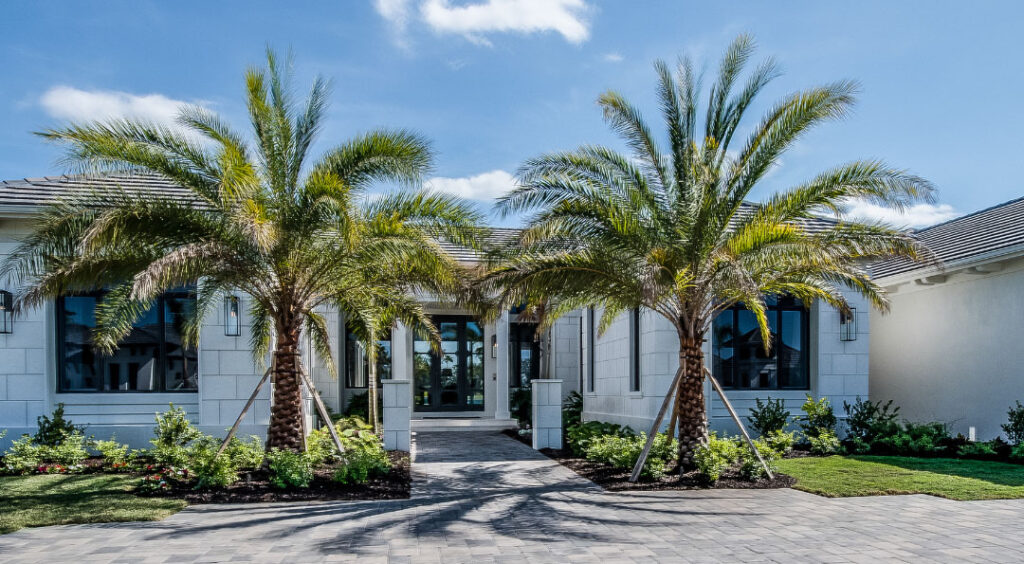
Refined, architectural and elevated, the Sylvester Palm is a faster growing option that thrives in Central Florida climates.
- Cold Hardiness: 12-15°F
- Height: 30-50 ft
- Maintenance: Low
- Growth Rate: Moderate (1-2 feet per year)
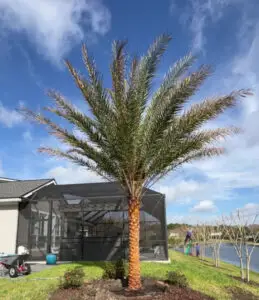
The Sylvester Palm brings a structured, upscale presence to the Villages Landscape. With its thick, textured trunk and silver-blue feathery canopy, it creates an immediate sense of sophistication- perfect for golf course homes, corner lots, and high visibility focal points.
While prolonged extreme cold (below 20°F) may cause minor cosmetic damage, established specimens recover well-especially those that were grown in similar cold conditions. This is the case with the Sylvester Palms from Iguana Palms. Grown in Ocala, they are well adjusted to mild winters, and have the least damage when winters come along.
3. Sabal Palmetto
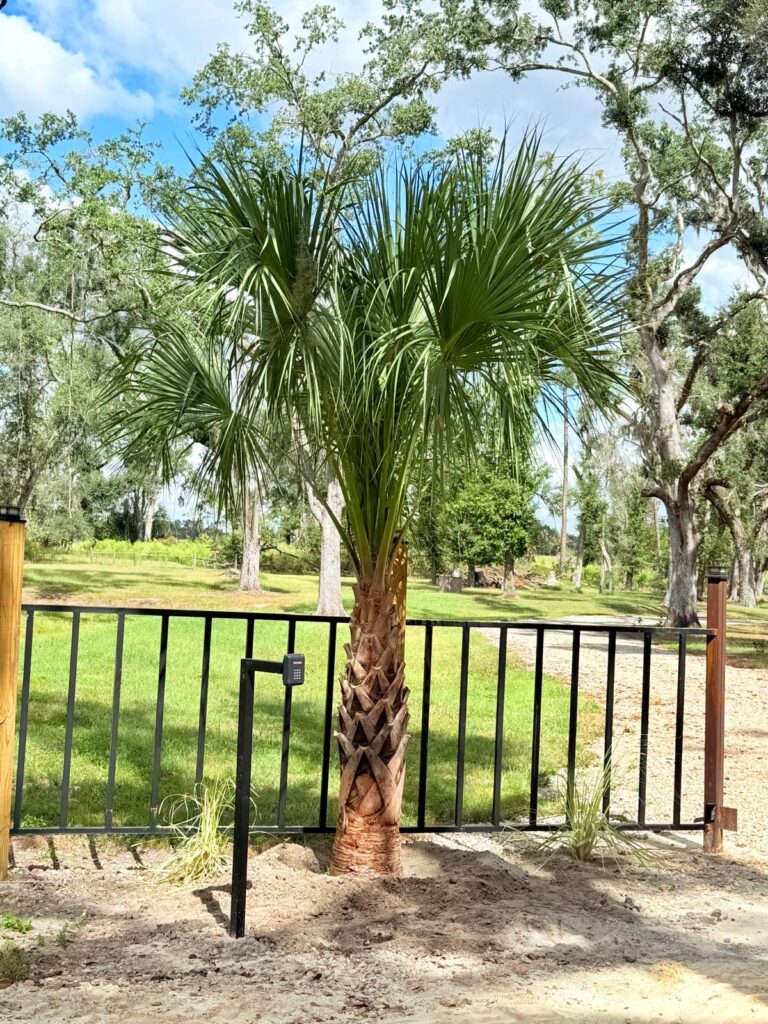
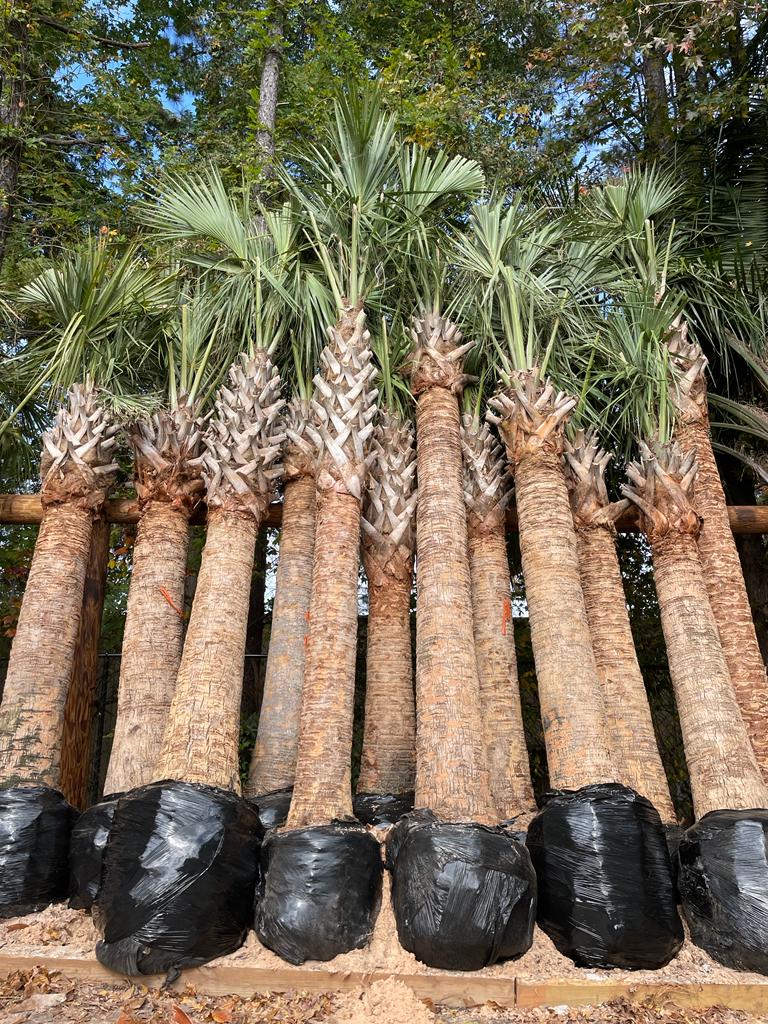
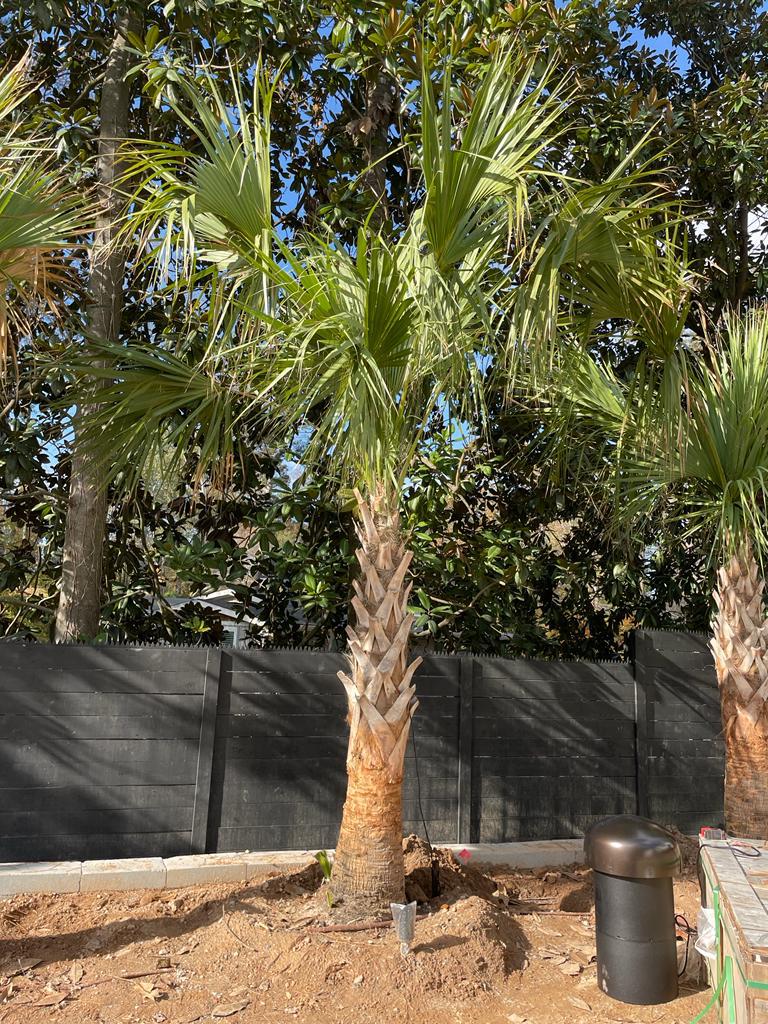
Authentic Florida’s native palm tree that will bring timeless charm to your Central Florida landscape.
- Cold Hardiness: 10-15°F
- Height: 40-50 ft
- Maintenance: Low
- Growth Rate: Slow to Moderate
Florida’s state tree has thrived in this exact location for thousands of years, hardy not only to the cold weather but also stays upright in the face of strong winds. The Sabal Palmetto is naturally adapted to sandy soils, heat and humidity, periodic drought, and winter cold snaps. It is the classic Florida aesthetic that feels grounded and authentic, perfect for The Villages and surrounding Central Florida locations.
Sabal Palmettos are available in a wide range of trunk heights, from 6-18 feet tall and work beautifully in larger residential lots, entry features, and streetscapes and community edges.
Villages Specific Landscaping Tips
HOA Compliance: Most Villages architectural review communites approve all three species for properties. Iguana Palms provides affordable HOA drawings for quick submission.
Golf Cart Path Spacing: When planting near or in golf courses, make sure you maintain 8-10 feet clearance from paths, especially important with Pindo Palms that grow very wide and may create debris when they are full of fruit.
Snowbird-Friendly Care: Once established, these palms are highly self-sufficient. We recommend additional irrigation in excessive summertime heat and ocasional trimming services.
EXPERT TIP: Palm trees in The Villages and surrounding areas (Ocala, Lady Lake, Leesburg, Wildwood, Fruitland Park, and Oxford) grow more slowly than in South Florida due to cooler winter temperatures, so expect them to grow a little slower if you reside in these areas.
Why Villages Homeowners Choose Iguana Palms
At Iguana Palms, we grow our trees in Zone 9 conditions, the same climate as The Villages. This means every tree we install that comes from our farms has already experienced and survived real winters- and more than one of them. With extensive experiences installing in the Villages, we understand specific HOA requirements, proper spacing and our design team can recommend the right size and palm tree specie for each project.
Frequently Asked Questions
What is the best palm tree for The Villages, Florida?
The Pindo Palm is ideal for most villa and patio home lots. They are extremely cold-hardy (the most cold-hardy out of all feathery palms), perfectly scaled, and very low maintenance. For larger properties, Sabal Palmettos provide the classic Florida look, while the Sylvester Palm delivers a more refined, upscale appearance.
Can tropical palms survive in The Villages, Florida?
No. Queen Palms, Coconut Palms, Royal Palms, Areca Palms, and Pygmy Date Palms cannot reliably survive winters in The Villages and all of Central Florida for that matter. Past freezes have caused widespread losses. Misinformation drives people to replace the palms with non-cold hardy palm trees, losing thousands of money in the process.
Do I need HOA approval to plant palm trees in The Villages?
Yes, most Villages communities require architectural review approval for landscape changes. All three recommended species: Pindo Palms, Sylvester Palms and Sabal Palmettos are commonly approved.