
Are Sylvester Palms good for sandy soil?
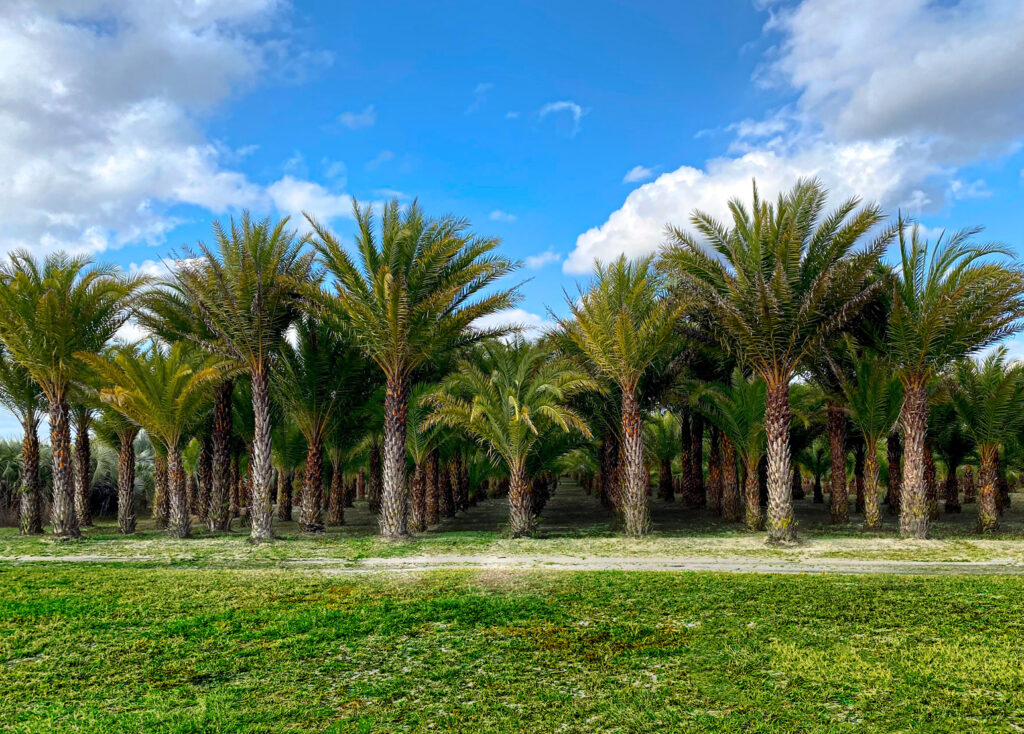
Sylvester palms are an excellent match for sandy soil. They tolerate a wide range of soils and thrive in the well-drained, fast-draining conditions that define most of Florida’s sandy sites. Sand’s sharp drainage protects palm roots from sitting in water — a common cause of root problems — so in that sense Florida’s sandy soil works in the Sylvester’s favor. The trade-off is that sandy soil holds little water and few nutrients, which is what the planting and feeding steps below address.
How do you plant a Sylvester palm in sandy soil?
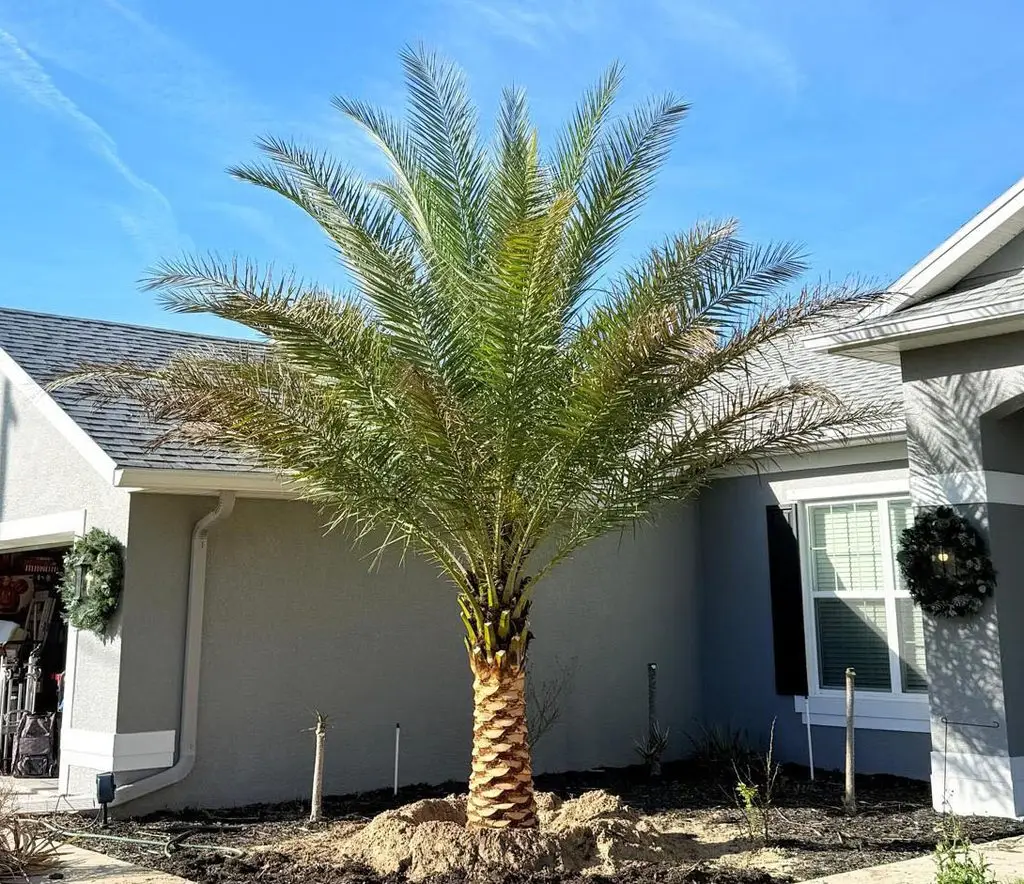
Plant a Sylvester at the same depth it grew in the nursery — never deeper — and use the sand’s natural drainage rather than fighting it. Correct depth and a good establishment-watering routine matter more than amending the soil heavily.
- Depth: Dig a hole as deep as the root ball and about twice as wide. Keep the top of the root ball level with the surrounding grade.
- Back fill: Back fill with the native sandy soil (lightly amended if you wish). Palms establish well directly in Florida sand.
- Hold water: Build a shallow water ring around the root ball to hold irrigation over the roots, and mulch to slow evaporation.
- Water often early: Water frequently during establishment- sandy soil dries fast, so young palms need water more often than heavier soils.
How do you feed a Sylvester Palm in Florida’s sandy soil?
Feeding is the key to a healthy Sylvester in sandy soil, because Florida sand leaches nutrients quickly — especially potassium and magnesium, whose deficiencies show as yellowing or spotted fronds. A slow-release, palm-specific fertilizer prevents that.
- Right formula: Use a palm-special fertilizer- UF/IFAS recommends an 8-2-12 analysis with 4% magnesium and micro-nutrients, in slow-release form.
- Right schedule: Apply about three times a year (a common schedule is spring, summer, and early fall) so nutrients are replenished as rain leaches them away.
- Avoid lawn feed: Avoid ordinary lawn fertilizer near the palm, and keep turf fertilizer out of the root zone — it worsens palm nutrient imbalances.
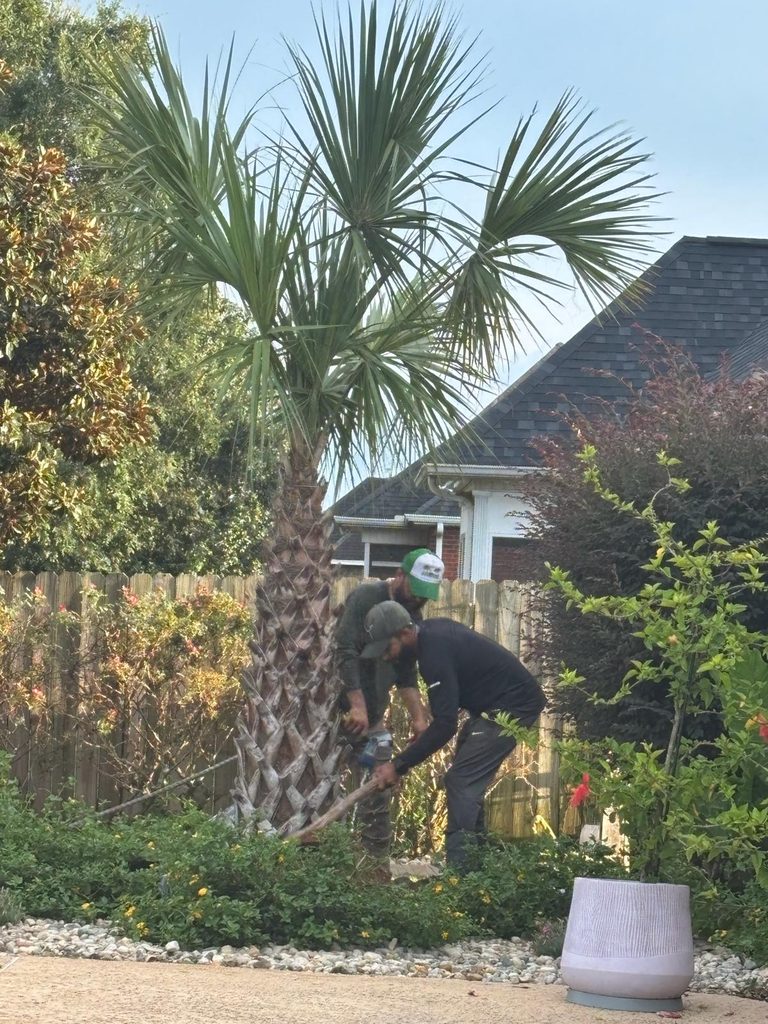
Let the experts pamper your palms
Palm health assessment, trunk color revival, frond pruning, seasonal frond protection, fertilization and fungicide application.
Does sandy soil affect how much water a Sylvester needs?
Yes — sandy soil drains fast, so young Sylvester palms need water more often while establishing, even though the species is drought tolerant later. Deep, frequent watering during the first months pushes roots down into the sand; once established, the palm’s drought tolerance means a deep weekly soak is usually enough. The combination of sharp drainage and a drought-tolerant palm is exactly why Sylvester palms do so well across sandy Florida sites once they’re rooted in
Where to buy Sylvester palms suited to Florida’s soil
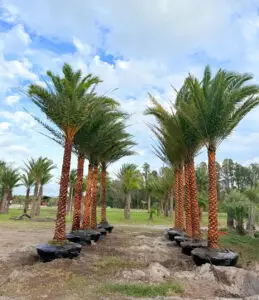
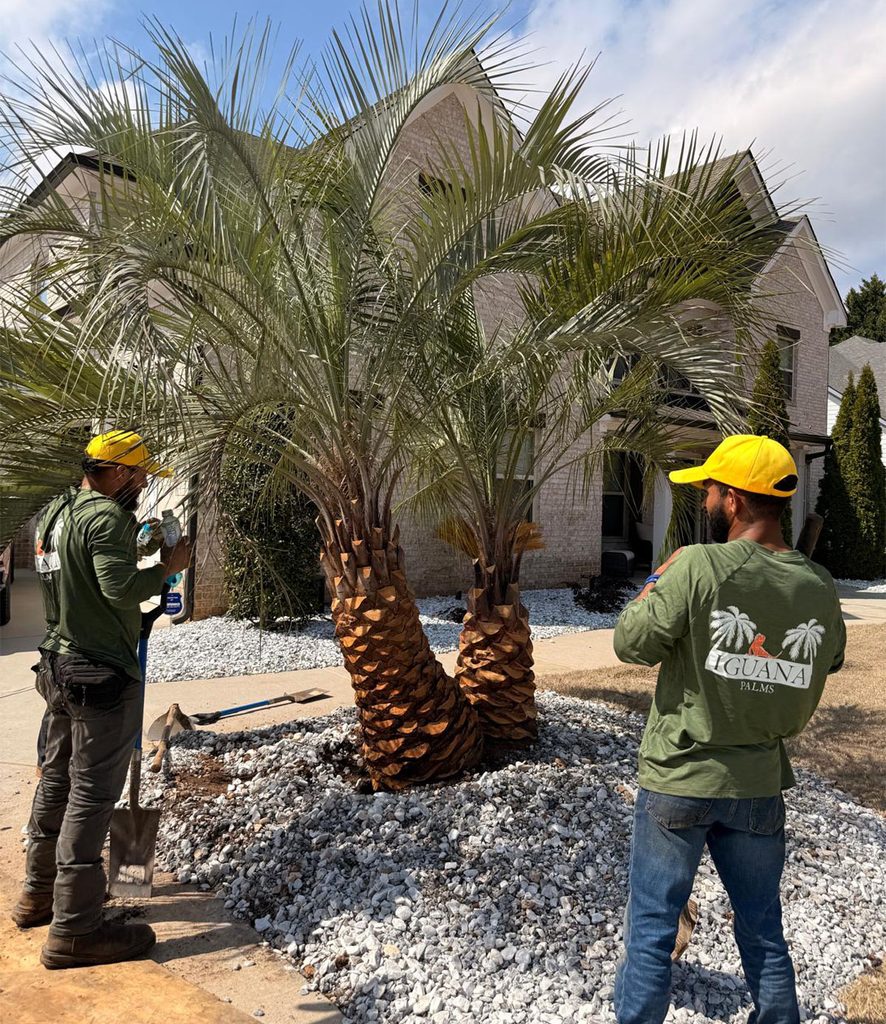
Start with a palm already grown in Florida’s conditions. Iguana Palms grows cold-hardy Sylvester palms on its family farm in Florida — field-grown in sandy Florida soil, so they’re acclimated to exactly the conditions they’ll be planted into. Sizes run from 4 to more than 22 feet of trunk at wholesale prices, with delivery, installation, and a one-year warranty. For sizes and selection, see our guide on where to buy Sylvester palms in Florida.