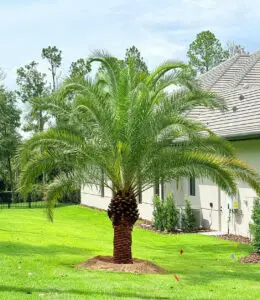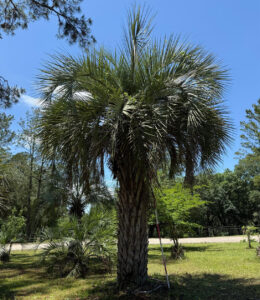

The Cold-Hardiest Palm of all
The Windmill Palm (Trachycarpus fortunei) is one of the most cold-hardy palm trees in the world, perfect for homeowners who want a tropical look but live in areas with cooler winters. Native to the mountainous regions of China, Myanmar, and northern India, the Windmill Palm has been planted throughout Asia and Europe for years. It is admired not only for its beauty but also for its durable trunk fibers, which have traditionally been used to make ropes, mats, and brushes.
Known for its slender trunk and fan-shaped canopy, the Windmill Palm adds elegance and vertical interest to any landscape. Thriving in USDA zones 7–11, it is a versatile choice for both northern and southern climates.
Physical Characteristics of the Windmill Palm
Fronds & Trunk
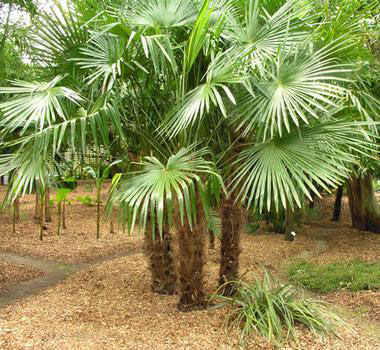
The Windmill Palm’s fronds are broad, lush, and deeply divided, radiating in a circular fan shape. Each frond grows 3–4 feet long, forming a compact, tidy crown that creates a graceful silhouette.
The trunk is thin and fibrous, often wrapped in coarse brown fibers. This natural insulation not only gives the palm a distinctive texture but also helps protect it from the cold.
Flowers & Fruit
In late spring, the Windmill Palm produces clusters of small, yellow flowers. When pollinated, these develop into small bluish-black fruits that dangle attractively in groups.
Growth & Size
Windmill Palms are slow-growing, particularly in cooler climates. They typically gain 6–10 inches per year. At maturity, they can reach up to 25 feet tall with a canopy spread of 6–10 feet. Their slender, upright habit makes them ideal for smaller spaces, courtyards, and narrow planting areas where larger palms cannot fit.
Cold-Hardiness
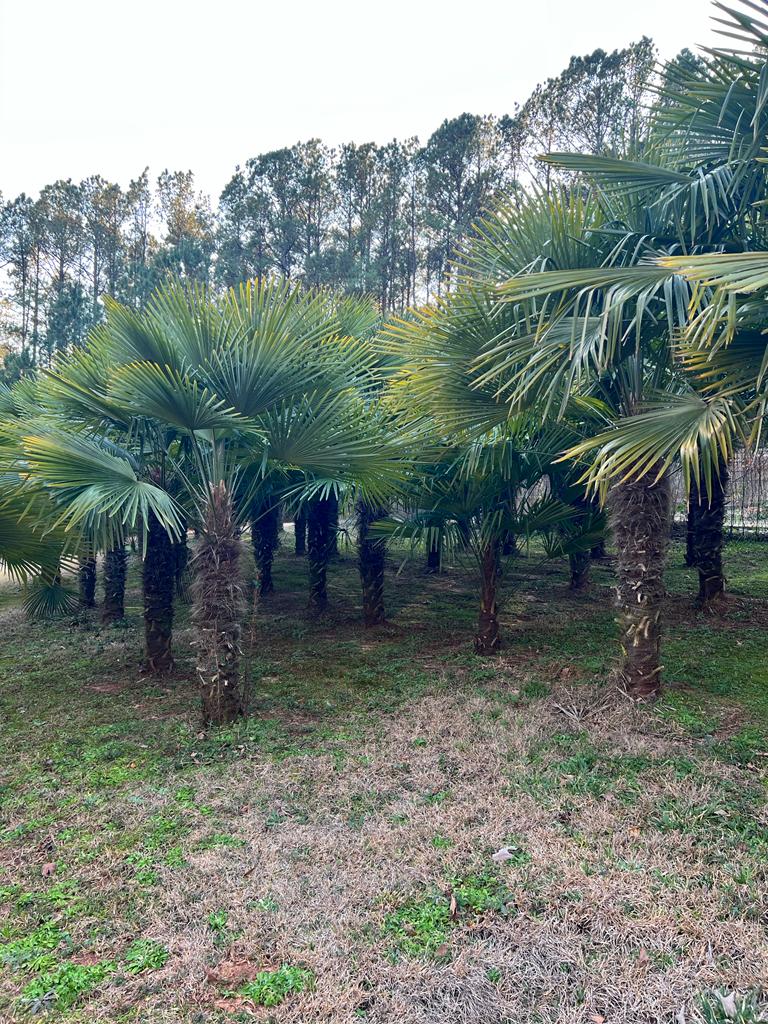
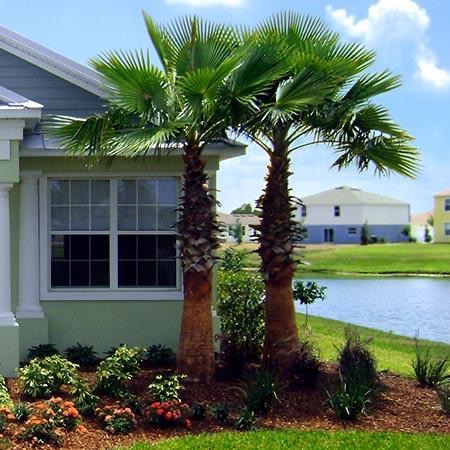
One of the standout qualities of the Windmill Palm is its ability to withstand cold. It is the cold-hardiest fan palm, thriving in USDA zones 7–11. It can survive temperatures as low as 5–10°F and even brief dips below freezing.
Care & Maintenance
Keeping your Windmill Palm healthy and looking good is very easy! In fact, it is one of the easiest palms to care for.
Watering
After planting, water three times per week for the first few months, until roots are established. Once mature, Windmill Palms are drought tolerant and only need occasional deep watering during extended dry periods. Avoid overwatering, as soggy roots can lead to rot.
Soil
Although the Windmill Palm can survive in most soils, ir is best to plant in well-drained soil. For heavy soils, mix in coarse sand or place a drainage layer at the bottom of the planting hole.
Fertilization
Wait at least three months after planting before fertilizing. Then apply a slow-release, palm-specific fertilizer every six months to keep fronds lush and healthy.
Pruning
Minimal pruning is needed for the Windmill Palm. Remove only completely brown, dead fronds. Even partially green fronds provide nutrients and should remain until they have turned completely brown.
Where do I plant my Windmill Palm?
- Front Yard Accents: With its upright shape, the Windmill Palm makes a striking showpiece for entryways, courtyards, and driveways.
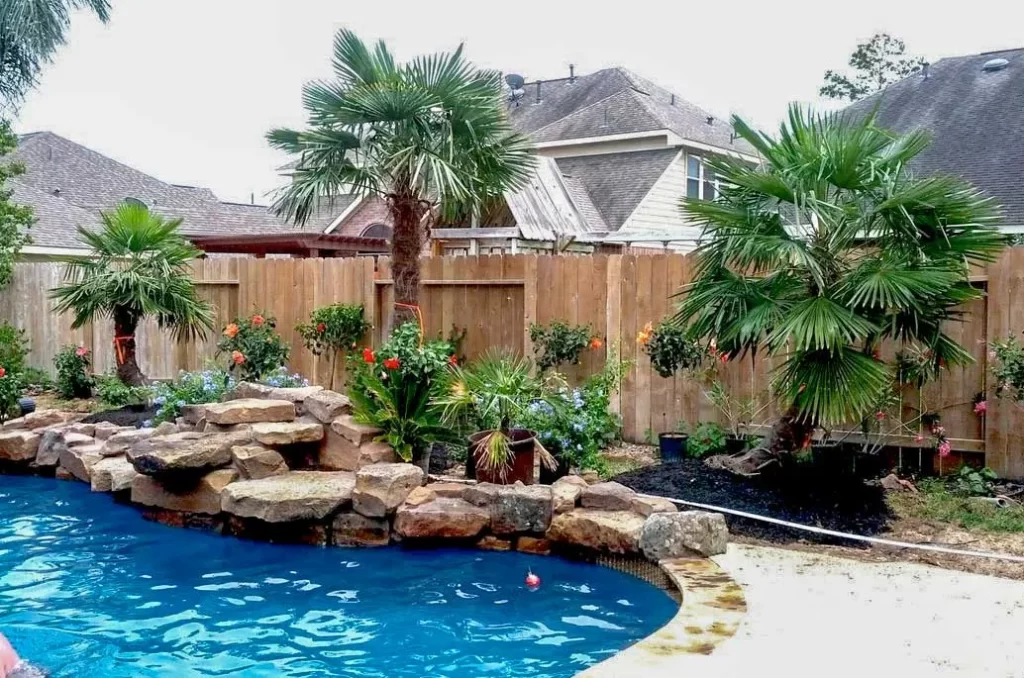
- Backyard Retreats: Perfect near pools, pergolas, or sitting areas since it grows tall without taking upo much ground space.
- Safe Near Structures: Its shallow roots system makes it safe to plant near walkways, patios, or driveways without risk of damage.
- Sun & Shade: The Windmill Palm prefers and does better in full sin, but can also survive in partial shade.
- Spacing: Allow at least 6 feet between multiple palms to prevent canopy overlap. For stair-stepped or staggered plantings, they may be placed closer.
Why choose a Windmill Palm?
Windmill Palms are a great choice for cooler locations that still want a tropical look. Here are the main reasons why a Windmill Palm is right for you:
- It is the most cold-hardy palm, thriving where others cannot.
- It creates a tropical and exotic feel while keeping its elegance.
- Its slim, upright growth is ideal for smaller yards and tight spaces.
- It is low-maintenance and adaptable to different soils and conditions.
Whether you’re creating a tropical backyard oasis or looking for the perfect palm to elevate your front entry, the Windmill Palm delivers beauty, resilience, and elegance