Your complete guide to natural screening
Living in Florida means enjoying beautiful weather year-round, but it can also mean dealing with close neighbors, busy streets, or less-than-scenic views. If you’re looking to create a private oasis in your backyard without installing an expensive fence, privacy plants offer the perfect solution. They provide natural screening, add tropical beauty to your landscape, and can even help reduce noise and filter dust in the air.
But with so many plant options available, which ones truly thrive in Florida’s climate? Lets explore the top choices that love the Sunshine States’s heat , humidity and occasional cold snaps.
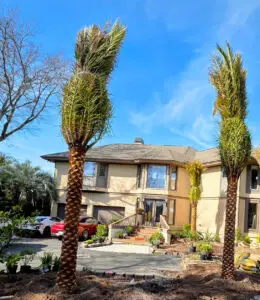
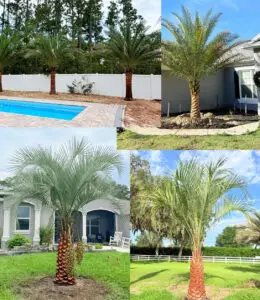
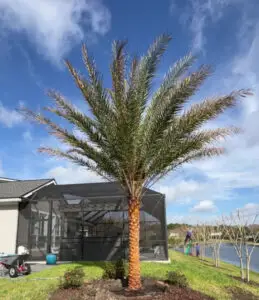
Want privacy with a tropical look? See our cold hardy palm trees for sale, delivered and installed across Florida and Georgia.
Why choose plants over fences for privacy?
When it comes to fencing, the choices are endless. You can go with a timeless white picket fence or opt for something more modern like recycled wood. But theres also a beautiful, eco-friendly alternative: planting a hedge. A living fence gives you privacy, greenery, and a completely natural screen around the property.
Here’s why we prefer live hedges over traditional wooden or plastic fences:
- Natural Beauty: Privacy plants add lush, tropical character to your yard- something fences just can’t match. They create a softer, more inviting atmosphere both from both the inside and the outside of your property while still blocking unwanted views.
- Cost-Effective: While mature plants do require an upfront investment, they’re often more affordable than installing wood or vinyl fencing, especially on larger properties. Plus, they enhance the curb appeal and increase property value.
- Low Maintenance: Once established, most privacy plants require minimal care compared to fences that need regular painting, staining, or repairs.
- Environmental Benefits: Living screens provide oxygen, filter air pollutants, offer habitat for wildlife, and help manage stormwater runoff.
- Flexibility: Plants can be shaped, pruned, and designed to perfectly match your style- and they become more beautiful as they grow.
- Noise Reduction: A dense hedge naturally softens street noise, creating a more peaceful outdoor environment- something a hard fence simply can’t offer.
- Wind Protection: Living screens break strong winds without blocking airflow completely, creating a more comfortable microclimate for both people and plants.
Choosing the Right Privacy Plant for Your Property
Selecting the right plants is essential for building a long-lasting hedge. Matching your plant choice to your climate, sun exposure, soil type, and desired aesthetic will ensure a healthy, thriving privacy screen for years to come.
Below are the key factors to keep in mind:
- Climate Zone: North Florida (Zones 8-9) is very different from Central and South Florida (Zones 10-11). Make sure your plants can tolerate occasional freezes if you live in Northern regions.
- Desired Height: Think about what you want to block and how tall you want your hedge. Screening a second-story window requires different plants than masking a fence line.
- Sun Exposure: Observe how much sun your planting area receives, and choose plants that match those light conditions.
- Maintenance Level: Some plants require more trimming, shaping or care than others. Be realistic about how much time or money you would like to invest on the the upkeep.
Top 5 Privacy Plants for Florida Landscapes
1. Areca Palm (Dypsis lutescens)
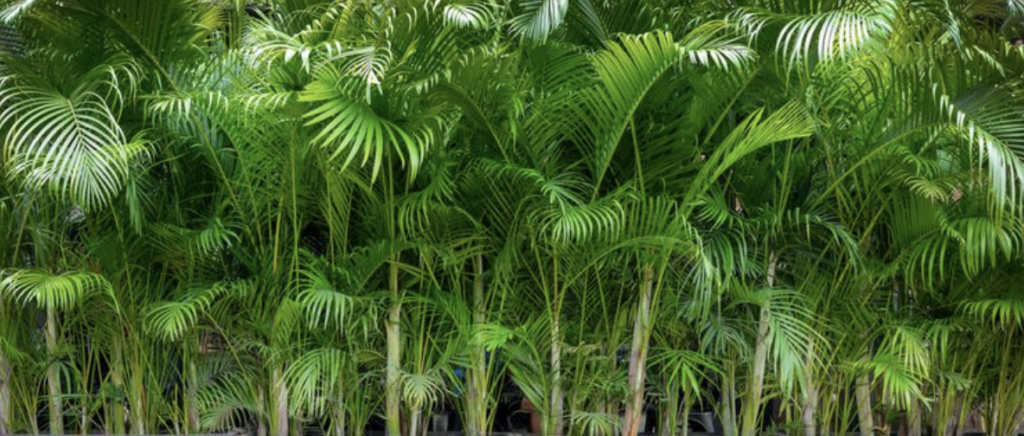
The Areca Palm is one of Florida’s most popular privacy plants- and for good reason. Also known as the butterfly palm, this clustering beauty creates a lush, tropical screen that creates a lush, tropical, naturally full and light and airy privacy screen.
Why the Areca Palm is perfect for Florida:
- Ideal Grow Zone: USDA zones 10-11 (best for South and Central Florida.)
- Mature Size: 15-20 feet tall, 8-10 foot spread.
- Growth Rate: Moderate to fast growth ensures quicker privacy and a fuller look sooner, as quick as 1-2 years.
- Light & Placement: Full sun to partial shade.
- Appearance: Soft, feathery fronds with a dense clumping habit.
Best Uses: Areca Palms excel as property line hedges, poolside screening, or as a backdrop for outdoor living areas. Plant them 6-8 feet apart for a solid privacy wall that still allows airflow.
Downside: Arecas need a bit of regular maintenance. You’ll want to trim off any browning fronds from time to time and fertilize about three times a year to keep them lush and vibrant.
2. Clusia (Clusia guttifera)
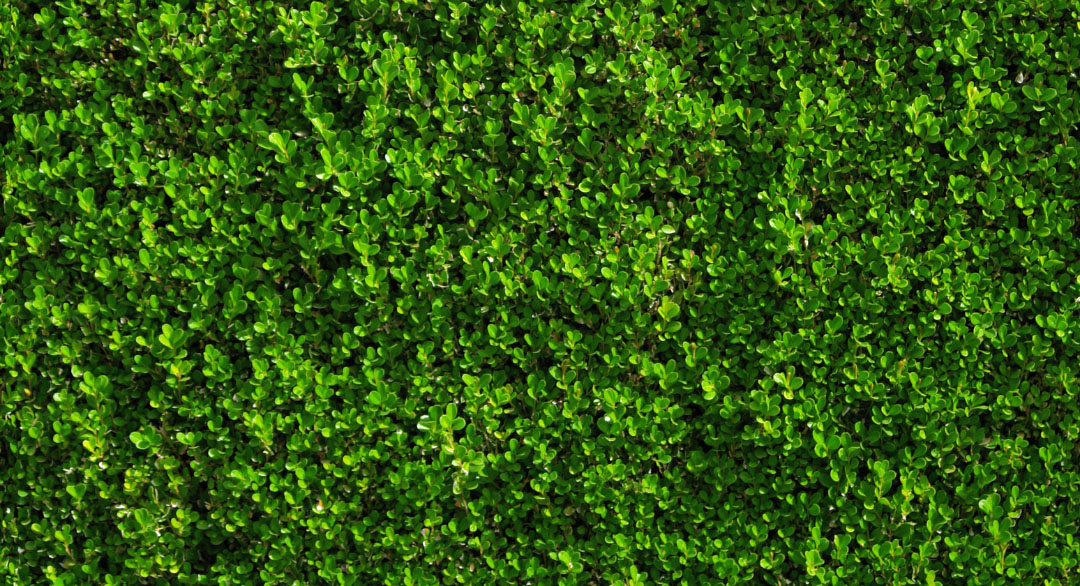
If you want a hedge that practically takes care of itself, Clusia is your plant. This evergreen shrub has thick, paddle shaped leaves and forms a clean, modern hedge.
Why the Clusia is perfect for Florida:
- Ideal Grow Zone: USDA zones 9b-11. Great for South and Central Florida. In North Florida, it needs a microclimate to survive cold snaps.
- Mature Size: 8-12 feet tall when used as a hedge with a 6-8 foot spread.
- Growth Rate: Moderate to fast growth ensures a full, private lush hedge within 1-2 years.
- Light & Placement: Full sun to partial shade.
- Appearance: Thick, paddle shaped leaves with a dense, sculptural form.
Best Uses: Clusia makes an excellent formal and thick hedge that can be maintained at any height.
Downside: Requires constant trimming to maintain otherwise can get out of shape quickly.
3. Podocarpus (Podocarcpus macrophyllus)
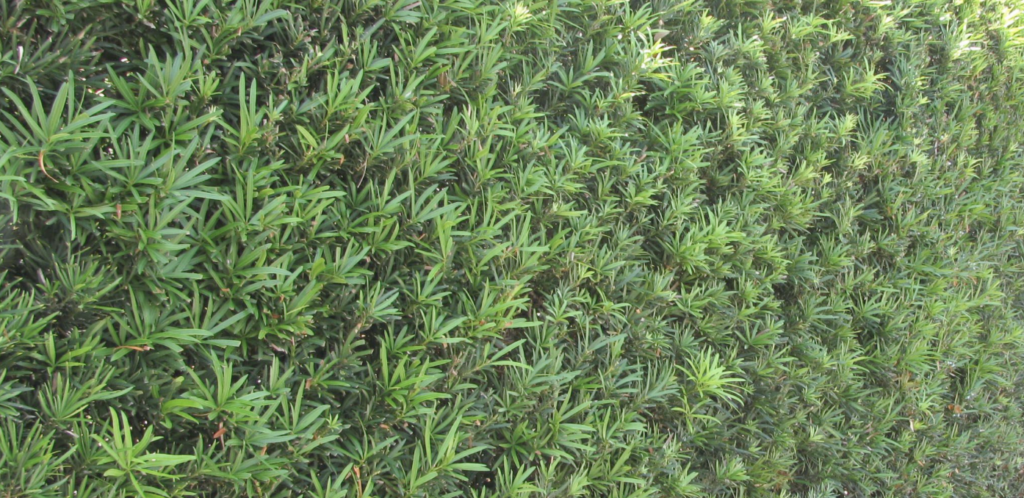
The Podocarpus is the most elegant and refined choice for a privacy hedge. This evergreen shrub creates dense, column like screen with soft, needle-like foliage.
Why the Podocarpus is perfect for Florida:
- Ideal Grow Zone: USDA zones 8-11, making it one of the most cold-tolerant evergreen hedges in all of Florida.
- Mature Size: 8-12 feet tall with a 4-6 foot spread when used as a hedge.
- Growth Rate: Moderate, but once established thickens beautifully.
- Light & Placement: Full sun to partial shade.
- Appearance: Dark green, narrow glossy leaves that create a dense evergreen foliage.
Best Uses: Podocarpus is ideal for creating tall and narrow privacy screens between properties or along driveways. It is also ideal for formal gardens where a manicured look is desired.
Downside: Requires constant trimming to maintain a neat hedge form, and grows slower than other hedges.
4. Viburnum (Viburnum odoratissimum)
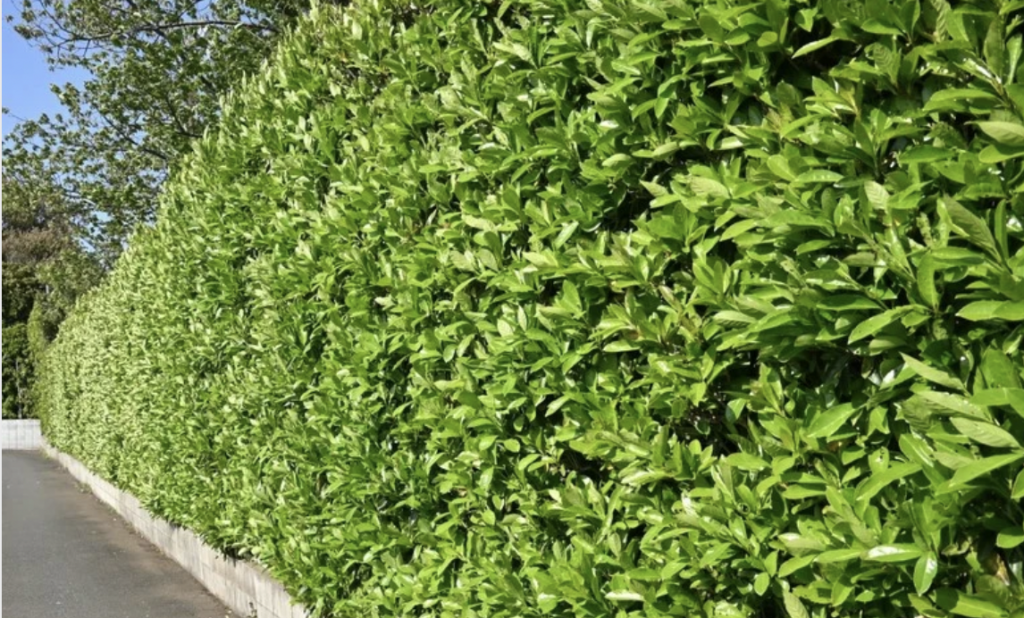
Beloved for its glossy foliage and occasional flowers, the Viburnum, offers quick privacy with classic beauty, making it one of the most popular options for hedging in Florida.
Why the Viburnun is perfect for Florida:
- Ideal Grow Zone: USDA zones 8-11, making it an excellent choice all of Florida.
- Mature Size: Reaches 8-12 feet tall with a 4-8 foot spread when used as a hedge.
- Growth Rate: Fast- one of the quickest growing hedge plants in florida.
- Light & Placement: Full sun to partial shade.
- Appearance: Large, shiny, evergreen leaves that create a lush, full hedge year-round. It produces a small white spring flower, and is one of the best choices for a traditional privacy hedge.
Best Uses: Viburnum is perfect for homeowners who want quick privacy without sacrificing aesthetics. Works beautifully as a backdrop for colorful flowering plants or as a standalone hedge.
Downside: Fast growth means it requires regular trimming to maintain its shape.
5. Bamboo (Clumping Varieties)
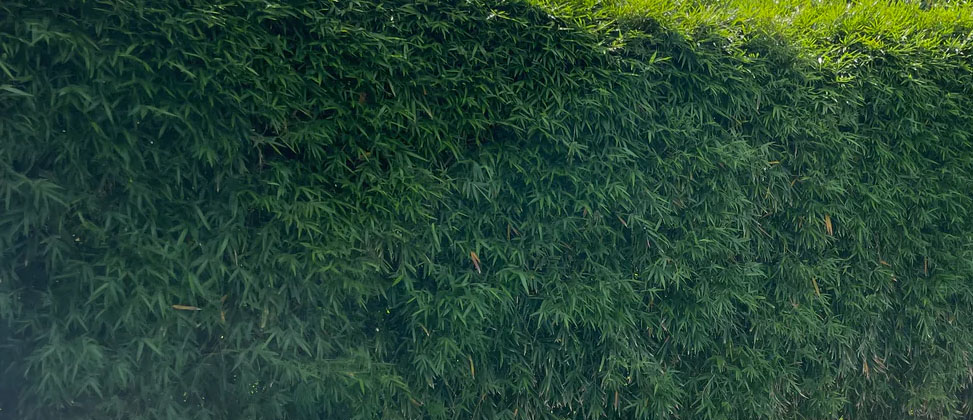
For ultra-fast privacy and a tropical vibe, clumping bamboo is unbeatable. When people think fast growing privacy, bamboo often comes to mind. Just make sure you choose clumping varieties, not running types that can take over your entire yard.
Why the Bamboo is perfect for Florida:
- Ideal Grow Zone: USDA zones 8-11, making it an excellent choice for North, Central and South Florida.
- Mature Size: Reaches 8-12 feet tall with a 4-8 foot spread when used as a hedge.
- Growth Rate: Extremely fast, one of the quickest growing hedge plants in florida.
- Light & Placement: Full sun to partial shade.
- Appearance: Features graceful canes that blow in the wind, creating a quick screen that is also a dense and sound buffering hedge.
Best Uses: Bamboo work wonderfully for homeowners who want very quick privacy, and don’t want a formal look.
Downside: Must use clumping types, some species require periodic thinning because it grows so quickly.
Planting Tips for Success
SPACING
Avoid planting too close together, as crowding leads to competition for nutrients and reduced air circulation. Give each plant the space it needs to grow naturally, plant fences don’t form overnight.
SOIL PREPARATION
Know your soil type and amend it if needed. Improving soil health at the start ensures stronger, long-term growth. It is always a good idea to improve the soil quality when you are planting- adding coarse sand to the mix helps with soil drainage.
WATERING SCHEDULE
New plants need constant moisture until they are established. Choose a specie that will match your desired watering routine- unless you intend to install drip watering systems, opt for drought resistance species.
MAINTENANCE
Use slow release fertilizers appropriate for your plant type. Palm trees need a specialized palm fertilizer, while shrubs thrive with balanced formulations.
Creating Privacy at Iguana Palms
At Iguana Palms, we specialize in providing healthy, field-grown privacy palms acclimated to Florida’s climate. While some of the best privacy plants aren’t palms, we also install hedges such as Clusia, Podocarpus, Bamboo, Viburnum and more.
Our team can help you visualize exactly how a hedge will look in your space, reducing the risk of choosing the wrong plant. With expert landscapers and designers ready to guide you, we create custom plant-fence solutions that fill your style, home and privacy needs.